Get Full Government Meeting Transcripts, Videos, & Alerts Forever!
Get email alerts on the Elections topic
No spam. Unsubscribe anytime.
House approves fix to election-investigation process after concerns raised about conflict
Summary
Senate Bill 289, passed unanimously by the Utah House, requires the lieutenant governor to appoint an outside investigator when the attorney general’s office has a conflict in election investigations and to follow procurement rules in making that appointment. The measure passed 70–0 after sponsors answered questions about cost and gender-neutraling language.
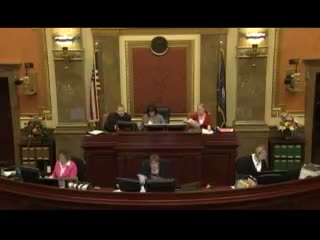
The Utah House on March 14 approved Senate Bill 289, a late-session bill intended to correct a statutory gap that could require the attorney general’s office to investigate allegations that involve the attorney general.
Representative Handy, the bill sponsor, told the chamber the lieutenant governor brought the issue to lawmakers’ attention and the measure “fixes an unanticipated flaw” by authorizing the lieutenant governor to appoint someone who is not an employee of the attorney general’s office to investigate and, if appropriate, bring action. The bill also requires the lieutenant governor to comply with the state procurement code when selecting special counsel.
Several members said the measure was a timely, narrowly tailored response. Representative Arendt called the change a “band-aid fix” but said it was important to support the legislation now and address broader code changes in the interim.
Representative King noted a petition had been filed alleging election violations by the then-candidate who later became attorney general, and said the petition raised additional questions about whether the lieutenant governor’s office had acted diligently in reviewing the candidate’s declaration. Representative Handy said the lieutenant governor’s office bears statutory responsibility for election matters and that, in practice, that office would pay for and appoint the special counsel when necessary.
Voting was unanimous in the House: 70 yes, 0 no. The bill will be signed by the Speaker and returned to the Senate for the President’s signature.
Representative Handy said on the floor: "This bill solves this problem by requiring the lieutenant governor to appoint a person who is not an employee of the office of the attorney general to investigate and bring an action when the office of the attorney general has this conflict."