Get Full Government Meeting Transcripts, Videos, & Alerts Forever!
Get email alerts on the Housing Foreclosure topic
No spam. Unsubscribe anytime.
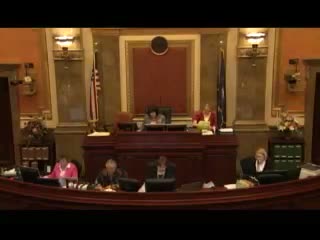
Late‑night fight over foreclosure protections: House circles mortgage/foreclosure amendments
Summary
Lawmakers spent hours debating late changes to mortgage and foreclosure statutes. A proposed amendment to clarify bank/servicer obligations and the single‑point‑of‑contact requirement drew sharp disagreement; the House voted to "circle" the measure for further work rather than complete final action.
The House engaged in an extended late‑night debate over first substitute Senate Bill 143 (mortgage and financial‑affairs amendments), focusing on protections for borrowers and the technical legal interplay with foreclosure sales and title. A late amendment offered by Representative Christiansen—intended to clarify who and how protections apply and to preserve a single live point of contact during the 90‑day foreclosure period—provoked intense debate on both policy and process.
Christiansen described two years of work on the statute and said the amendment accommodates lender concerns while preserving core protections. "The whole point is you have to have a single live human being, someone you can call during the 90‑day foreclosure period and find out if you can save your home," he said.
Opponents, including members with title‑insurance experience, warned removing or altering certain language could create enduring title defects that would be raised long after a sale and would impair the ability to insure title. Representative Webb said the proposed language risked returning the law to problems seen before the prior session's changes and urged caution.
A motion to adopt Christiansen's amendment was put and failed. After more debate about the timing and potential consequences, members moved to "circle" the bill—a procedural hold that postpones immediate final action so the measure can be reworked. The motion to circle passed; the bill was taken under advisement and will be revisited later, rather than passed that night.
What the record shows: Sponsors emphasized borrower protections, continuity with federal servicing rules, and a single point of contact; opponents emphasized title insurance, the risk of defects for subsequent purchasers, and the need for additional review. Lawmakers also raised concerns about taking major property‑rights changes in the final hours of a 45‑day session.
Next steps: Because the House circled the bill, no final passage occurred that night. Sponsors indicated they would continue negotiations with stakeholders and may return with revised language in a subsequent work period or session.