Get Full Government Meeting Transcripts, Videos, & Alerts Forever!
Get email alerts on the Tobacco Regulation topic
No spam. Unsubscribe anytime.
Utah House rejects substitute bill that removed e‑cigarette tax and adjusted enforcement
Summary
After extensive debate over definitions and enforcement, the House rejected the second substitute to HB372 (cigarette, tobacco and nicotine amendments). The sponsor removed a proposed e‑cigarette tax and added enforcement powers for local health departments; members split over legal definitions and tax consequences.
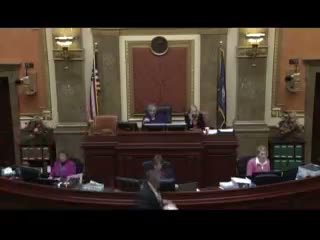
The Utah House on March 11 debated and rejected a second substitute to House Bill 372, legislation addressing cigarette, tobacco and nicotine products that the sponsor said would remove a proposed tax on electronic cigarettes while preserving local enforcement against sales to minors.
Representative Ray, the bill sponsor, said the substitute ‘‘simply cuts the e‑cigarettes out of the tax code’’ and that remaining provisions would give local health departments authority to enforce sales‑to‑minors rules and to regulate new nicotine delivery products that appear on the market. Ray described the bill as aimed at preventing youth access and at treating ‘‘tobacco candies’’ and dissolvable nicotine products the same as other tobacco products to allow taxation when such products arrive in the state market.
Opponents raised repeated concerns about conflicting definitions across criminal, municipal and tax code sections. Representative Green warned the chamber the draft created ‘‘some legally, inconsistent, provisions’’ and walked colleagues through multiple places where the bill’s definitions could produce contradictory legal results. Green said, ‘‘This has been done too fast… I cannot support this amendment and or this substitute.’’
Lawmakers adopted narrower language changes during floor debate — for example, replacing the word "candy" with "dissolvables" and adding the phrase "derived from tobacco" in several definition lines — but those fixes did not resolve broader concerns. Members also questioned fiscal effects after the sponsor removed the e‑cigarette tax; the sponsor said the substitute would be largely revenue neutral because the previously proposed e‑cigarette tax had been removed.
When voting closed the Clerk reported the second substitute had failed, 29 yeas to 44 nays. The bill was returned to staff for filing.
The immediate impact is procedural: the House will not advance this substituted version of HB372. Supporters framed the bill as an enforcement and youth‑protection measure; opponents said unresolved definitional conflicts risk legal challenge and unclear tax consequences. No additional action on this version was recorded in the House transcript for March 11.