Get Full Government Meeting Transcripts, Videos, & Alerts Forever!
Get email alerts on the Animal Welfare topic
No spam. Unsubscribe anytime.
Utah House approves rules tightening animal shelter euthanasia, requires training; limited gas use retained
Summary
The House passed H.B. 150, which codifies American Veterinary Medical Association guidance, requires training for shelter euthanasia and narrows but does not fully ban carbon monoxide use. Sponsors said lethal injection is preferred; some shelter operators warned restricting gas could increase stress on animals and risk to staff. Vote: 50-18.
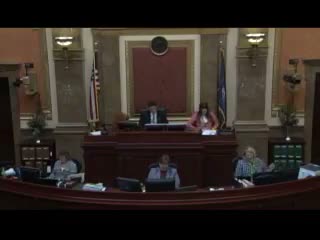
Representative Tiara Romero introduced H.B. 150 on the House floor, saying the bill "authorizes an animal shelter to use certain methods to euthanize an animal" and aligns shelter practice with American Veterinary Medical Association guidelines while requiring training for anyone who performs euthanasia.
The measure aims to make euthanasia procedures more humane and consistent across shelters. Romero told colleagues the bill "codifies the American Veterinary Medical Association guidelines" and that lethal injection is the preferred method; she also said the bill "doesn't eliminate the use of carbon monoxide gas" but limits it to specified circumstances.
Opponents, including Representative Greenwood and Representative Christofferson, urged caution. Greenwood said shelter staff in Weber County "are not in support of the bill" and described how some shelters place animals into individual compartments for gas euthanasia to reduce stress, adding that staff reported the current needle-based process can cause stress when animals must be restrained. Christofferson described operators' concerns that injections can be dangerous to staff and increase turnover.
Representative Redd and others stressed human-safety concerns, particularly when staff face unvaccinated or feral animals. Redd said the bill "does allow that to happen" — that is, limited carbon monoxide use is preserved — and argued that option can protect staff from rabies exposure.
Supporters and sponsors emphasized training and guidance. Romero said the bill "requires that anyone that's going to perform a euthanization goes through a training," and noted endorsements or engagement from veterinary organizations and local governments including the Utah Veterinary Medical Association, West Valley City and Salt Lake County. The Utah League of Cities and Towns participated and has taken a neutral stance, Romero said.
The House voted to pass H.B. 150, 50 yeas to 18 nays; the bill will be transmitted to the Senate for further consideration.
What’s next: After the Senate receives the bill, it may be assigned to committee for further hearings and possible amendment before a final vote.
Sources: floor statements by Representative Tiara Romero, Representative Greenwood, Representative Christofferson and Representative Redd during March 4, 2013 House proceedings.