Get Full Government Meeting Transcripts, Videos, & Alerts Forever!
Get email alerts on the Occupational Licensing topic
No spam. Unsubscribe anytime.
House votes to de-license hair-braiding, cut cosmetology hours and ease reciprocity; HB 238 passes
Summary
House Bill 238 removes cosmetology licensure requirements for hair braiding, reduces cosmetology training hours from 2,000 to 1,600, improves reciprocity for out-of-state training and reassigns some services to the aestheticians' license. The House passed HB 238 69–0 after sponsoring amendment was adopted.
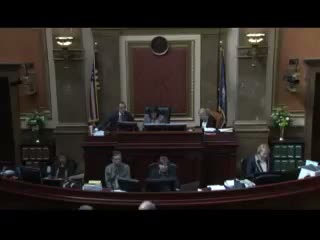
The Utah House on Feb. 27 passed House Bill 238, a package of cosmetology and hair-braiding reforms that sponsors described as deregulation and consumer-protection measures.
Representative Dunnegan moved Amendment 1 and outlined the bill's key changes: de-licensing hair braiding (so individuals may legally charge for braiding without a 2,000-hour cosmetology license), lowering the cosmetology-hour requirement from 2,000 to 1,600 hours, easing reciprocity for licensees moving from other states (allowing a mix of prior education and licensed hours to meet the new threshold), and moving some services such as eyelash permitting under the basic aestheticians' license (600 hours). The bill also contains consumer-protection language to prevent short, paid training classes from being misrepresented as direct pathways to licensure.
Supporters from business and labor and cosmetology-related stakeholders acknowledged compromise, calling the bill a long-awaited fix that balances deregulation with professional standards. Representative Gibson and Representative Stannard both spoke in support; Representative Green, who had been previously critical, said he now supported the sponsor for bringing parties together.
The House adopted the amendment, debated the bill briefly, and passed HB 238, 69–0. Sponsors said the changes align Utah closer to neighboring states and ease workforce mobility while protecting consumers.
Why it matters: The legislation reduces barriers to entry for practitioners who braid hair and eases interstate mobility, which advocates say will help small businesses and workers. It also addresses consumer-protection concerns around short certificate courses that do not lead to licensure.
Next steps: HB 238 passed the House and will be transmitted to the Senate for its consideration.