Get Full Government Meeting Transcripts, Videos, & Alerts Forever!
Get email alerts on the Impact Fees topic
No spam. Unsubscribe anytime.
House approves changes to impact-fee law that extend oversight to some private utilities
Summary
Lawmakers passed HB 224 to clarify impact-fee rules, define private entities eligible for impact-fee requirements and set time and level-of-service limits; floor debate focused on whether the measure increases or decreases impact fees and on constitutional limits such as Dolan v. Tigard.
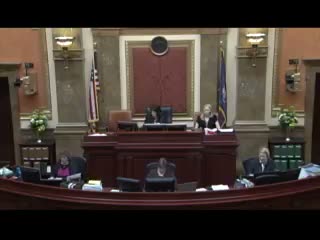
The Utah House passed House Bill 224 on Feb. 25 after extended floor debate over private water companies’ ability to charge impact fees and the constitutional limits on exactions.
Representative McKay said HB 224 clarifies who is subject to the Impact Fee Act by defining "private entity" and by adding a statutory definition for "level of service" so cities cannot impose new service requirements unless their facilities plan shows implementation within six years. He told colleagues the effort reflects two years of stakeholder negotiation involving the Utah League of Cities and Towns and the Property Rights Coalition.
Members raised concerns about whether nonprofit or small private water companies would gain taxing authority to impose impact fees; McKay said the bill does not create new taxing authority for nonprofits and, where private entities already charge fees, it brings them under the Impact Fee Act’s public-process requirements. In response to a direct question about whether the net effect was to charge more or fewer impact fees, McKay answered, "Less." The bill passed 64–9 and will be transmitted to the Senate.
Floor debate referenced legal precedents (Dolan v. Tigard) and emphasized the need for clear nexus between fees and capital impacts. Sponsors said HB 224 imposes more transparent limits on who can collect impact fees and how facilities plans must be documented and implemented.