Get Full Government Meeting Transcripts, Videos, & Alerts Forever!
Get email alerts on the Federal Budget Sequestration topic
No spam. Unsubscribe anytime.
Sen. Orrin Hatch warns Utah House sequestration will hit Hill Air Force Base, outlines immigration approach
Summary
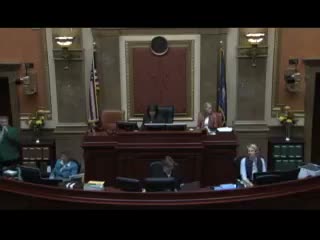
U.S. Sen. Orrin Hatch spoke to the Utah House in the Committee of the Whole on Feb. 20, warning sequestration is likely, outlining worst-case effects on Hill Air Force Base civilian employees and urging a step‑by‑step immigration approach including expanded H‑1B quotas.
U.S. Sen. Orrin Hatch told members of the Utah House on Feb. 20 that sequestration was likely and could have serious effects on the state’s defense workforce, warning that federal budget cuts could force furloughs and slow sustainment work at Hill Air Force Base.
Hatch, appearing in the Committee of the Whole, said sequestration had become a probable outcome unless a last‑minute deal is reached in Washington. “The sequester is going to be a difficult thing for us,” he said, and warned that “we’ve got to be prepared for whatever comes.”
Why it matters: Hill Air Force Base is a major employer in Utah. Hatch offered a worst‑case scenario meant to illustrate the stakes: he said civilian employees make up about 63 percent of Hill’s workforce and that “up to 11,100 civilian employees could be furloughed for 22 days, beginning as early as April 1, 2013,” producing an estimated total loss in pay of about $86,300,000. He also said average civilian pay at Hill was about $67,500 and characterized the estimates as a harsh scenario intended to spur action in Washington.
Lawmakers followed Hatch with specific questions. Representative Deeb, who raised concerns about Hill’s missions and Utah’s exposure, asked for detail on local impacts; Hatch read the figures above and warned that cuts to weapons systems sustainment and military construction would be significant if sequestration persisted.
Hatch also addressed immigration during the floor exchange. Answering Representative Jeremy Peterson, he said border control must be addressed for any large legalization plan to succeed and described a phased strategy he supports: expand H‑1B quotas under his I‑Squared proposal and then pursue a guest‑worker program and a pathway for certain long‑term residents, with fines and qualification requirements. “If we do that, then all we’re doing is asking for more of the same,” Hatch said, arguing that legalization without enforcement would invite further illegal entry.
On foreign policy questions, Hatch emphasized strong support for Israel and expressed concern about Iran and North Korea’s nuclear programs. “We have to maintain our strength and our support for Israel,” he said, adding that the United States should not show weakness in those relationships.
Hatch framed his remarks with a broader fiscal critique, noting repeated trillion‑dollar deficits and urging structural reforms to entitlement programs and tax policy to put the country on firmer footing.
No formal action followed from Hatch’s appearance; his visit was a congressional briefing to state representatives. The House then returned to its calendar work and proceeded to consider a slate of bills and resolutions.