Get Full Government Meeting Transcripts, Videos, & Alerts Forever!
Get email alerts on the Dui Youth Suspension topic
No spam. Unsubscribe anytime.
Utah House eases juvenile DUI suspension rules to give judges more flexibility
Summary
The House passed HB128 to let courts reduce driving suspensions for certain offenders under 19, after sponsor Representative Sagers described a constituent case and lawmakers urged a second-chance approach; the bill passed 72-0 and moves to the Senate.
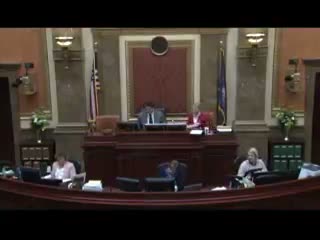
The Utah House on Feb. 26 approved House Bill 128, a measure that allows judges more discretion to reduce certain driver-license suspensions for young people convicted of DUI-related offenses.
Sponsor Representative Sagers described the bill’s origin in an email from a constituent whose son received a two-year suspension just shy of his 19th birthday. Sagers said the bill “allows the courts flexibility in helping young people correct a wrong” and stressed it is not intended to excuse DUI: “This bill does not forgive DUI. It does not.”
Several members supported the bill as a targeted effort to avoid long-term collateral consequences for young people who complete treatment, maintain employment or meet other court-imposed conditions. Representative Wiley said many families face major hardship when a primary driver loses licensing for an extended period.
The bill carries a $4,000 fiscal note to the Division of Motor Vehicles to update software, the sponsor said. The measure passed the House by voice and recorded vote, 72 "yay" to 0 "nay," and will be transmitted to the Senate for further consideration.
The House debate focused on judicial discretion and safeguards rather than eliminating penalties; no amendment was adopted on the floor. Next steps: the Senate will consider the bill and may take its own committee hearings or amendments.