Get Full Government Meeting Transcripts, Videos, & Alerts Forever!
Get email alerts on the Leadership topic
No spam. Unsubscribe anytime.
Rebecca D. Lockhart elected speaker; opening address urges restraint and warns of federal impacts
Summary
The Utah House unanimously elected Representative Rebecca D. Lockhart as speaker during the Jan. 28 organizational meeting; in her opening remarks she urged legislative 'restraint,' warned that federal fiscal actions could cut about $100,000,000 in state revenue, and urged members to prioritize foundational, long‑term policies.
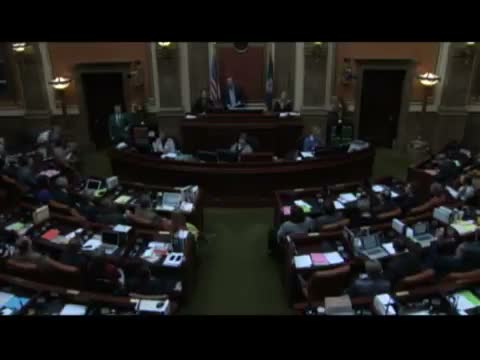
Representative Rebecca D. Lockhart was nominated and elected speaker of the Utah House of Representatives during the chamber's Jan. 28 organizational meeting. Representative Jennifer Selig moved to nominate Lockhart, and a subsequent voice vote carried; Representative Brad D. moved by acclamation to elect Lockhart, and the chamber again approved the appointment.
After being sworn in, Lockhart delivered an opening address in which she thanked family, staff and both majority and minority members and urged a legislative approach she repeatedly described as "restraint." She framed the fiscal outlook as vulnerable to federal actions, saying a Washington deal could translate into "perhaps $100,000,000 less in revenue" for Utah and listing how that shortfall might otherwise be used (she cited funding of a modest tax cut, pay for roughly 1,600 teachers a year, and services for disabled residents). She also warned that Utah’s health insurance exchange faced pressure to shift away from a market‑based model under the Affordable Care Act and said there was "no negotiating with the federal government on this issue."
Lockhart emphasized procedural and cultural guidance for the 45‑day session: read bills carefully, question outside influences, avoid unnecessary regulatory or licensing expansions, and focus on "foundational issues"—education, transportation and public safety—that she said justify long‑range work. She urged members to seek solutions that minimize taxpayer burdens and to consider eliminating ineffective programs to fund higher‑priority needs.
The speech closed with an appeal to collegial debate: Lockhart said she expected vigorous advocacy from both majority and minority members while promising that disrespect would be dealt with under House rules. The House passed a motion to print the invocation and Lockhart's remarks in the House Journal.
What happens next: the House proceeded with organizational motions, committee appointments and reading of bills for referral to committees. The session recessed until the afternoon after the Senate reported it was organized.