Get Full Government Meeting Transcripts, Videos, & Alerts Forever!
Get email alerts on the Elections School Governance topic
No spam. Unsubscribe anytime.
Utah House narrows eligibility for school board candidates, bars some felons from holding school board office
Summary
After a lengthy floor debate, the Utah House passed HB64 to bar people convicted of certain grievous sexual offenses against children from serving on state or local school boards; supporters cited a recent local race and child‑safety concerns, while opponents warned of overreach and urged disclosure alternatives.
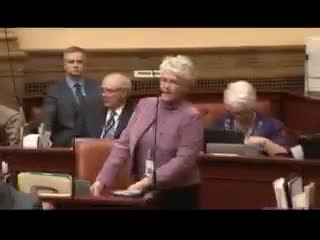
The Utah House of Representatives passed HB64 on Feb. 7, 2013, prohibiting individuals convicted of specified grievous sexual offenses against a child from holding state or local school board office. Representative Carol Moss, the bill’s sponsor, told the chamber the measure grew from a local constituent concern after a registered offender ran for a school board seat in her district.
Moss framed the bill as narrowly tailored to protect children, saying the bill bars “an individual who’s been convicted of a grievous sexual offense against a child” from serving on a school board and arguing that some offenses create practical barriers to carrying out board duties. “Do we want pedophiles in a position like school board?” Moss asked the House, attributing the rhetorical question to the concerns raised by parents in her district.
Opponents urged caution. Representative Green, who said he was the lone dissenting vote in committee, warned the measure would remove a decision from voters and called it “bad public policy,” arguing existing statutes already impose restrictions in many cases and that the bill appeared aimed at a single person and incident. Several members — including Representatives Danson, Vanderegg and Lifferth — urged alternatives such as mandatory candidate disclosures or broader vetting of candidates statewide so the electorate, not statute, excludes unsuitable candidates.
Supporters, including Representatives Cox and Sager, pointed to rural and uncontested races where background information may not surface and said a statutory disqualification can prevent an individual from assuming office by other means (for example, succeeding an incumbent who becomes incapacitated). Representative Cox described uncontested local elections in remote districts where an otherwise disqualified candidate could win without opponents or scrutiny.
The House debated practical questions about enforcement and administration. Members asked whether the lieutenant governor or county clerks would have responsibility for policing eligibility; the sponsor responded that the county clerk or lieutenant governor would notify individuals found to be disqualified. The bill text references the offense definition as set out in the bill’s statutory citations (transcript cites the relevant statutory reference in the bill text), rather than restating a specific Utah Code section in floor remarks.
The vote was 47 yeas and 27 nays. HB64 will be transmitted to the Senate for consideration.
The House debate highlighted a split over whether electoral outcomes or statutory disqualifications should determine eligibility for local offices, and whether disclosure mechanisms could address the concerns raised by the bill’s supporters.