Get Full Government Meeting Transcripts, Videos, & Alerts Forever!
Get email alerts on the HOV Lane Management topic
No spam. Unsubscribe anytime.
House OKs bill letting UDOT manage HOV access, caps clean-vehicle decal program
Summary
HB 23 gives UDOT authority to monitor and manage clean-vehicle 'C decal' access to HOV lanes, proposes a cap of 6,000 decals (4,600 currently issued), and prioritizes HOV use for carpools; supporters cited federal Highway Administration scrutiny if lanes underperform.
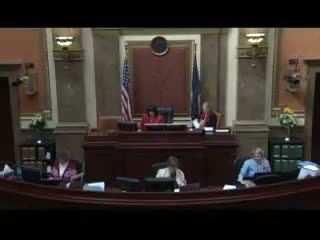
The Utah House on Feb. 1 passed HB 23, a transportation bill that gives the Utah Department of Transportation additional authority to manage high-occupancy vehicle (HOV) lanes and to place a cap on the state’s clean-vehicle decal (C decal) program.
Representative Handy, the bill’s sponsor, told colleagues that HOV lanes were intended primarily for carpools and that the Department of Transportation is asking for a cap on C decals after seeing substantial enrollment growth. "The Department of Transportation is asking that we have now 4,600 C decals ... that we get to a position of a cap of 6,000 ... and then after that, the Department of Transportation be allowed rule making authority to monitor the use of C decals," Handy said on the House floor.
Handy and others raised federal funding as a key concern. The sponsor said the Federal Highway Administration maintains scrutiny of HOV lanes and that poor lane performance tied to average speeds could jeopardize federal funding: "If the HOV lanes are running at an average highway speed of 45 miles an hour, there could be a sanction," Handy said.
Floor questions focused on priorities for entry to HOV lanes (carpools first, clean vehicles second, paid transponders third), grandfathering of existing decal holders, and whether delegating rule-making to UDOT would remove future decisions from the Legislature. Handy said existing decal holders would be grandfathered and defended giving UDOT the authority to act proactively to maintain lane integrity.
The final vote on HB 23 was 51–23 in favor, and the bill will be transmitted to the Senate. Supporters argued the measure protects the original purpose of HOV lanes; critics warned a transfer of operational decisions to an agency could reduce legislative oversight.
What’s next: Implementation will fall to UDOT, which the sponsor indicated should report back to the Transportation Committee as the decal cap and management provisions take effect.