Get Full Government Meeting Transcripts, Videos, & Alerts Forever!
Get email alerts on the Health Policy Inmates topic
No spam. Unsubscribe anytime.
House passes bill allowing voluntary organ-donation signups for inmates
Summary
The Utah House unanimously approved HB 26, the Inmate Medical Donation Act, clarifying that inmates may voluntarily indicate organ-donation preferences and that the Department of Corrections is not the inmate guardian under the anatomical-gift act. Sponsor stressed voluntariness and cited waiting-list figures.
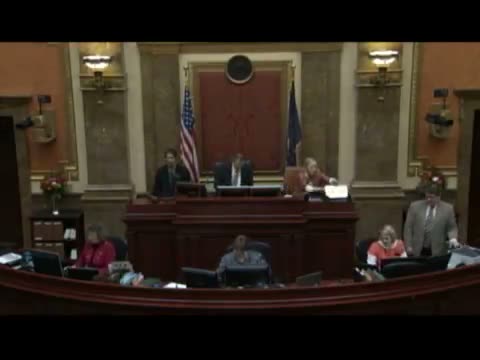
The Utah House on Jan. 30 passed House Bill 26, the Inmate Medical Donation Act, which directs corrections staff to offer arriving inmates a form to indicate whether they want to be organ donors posthumously. Representative Eliason, sponsor of the bill, said the measure is voluntary and modeled on the existing driver-license donor option.
An amendment (Amendment 1) in Representative Eliason's name clarified that the Department of Corrections shall not be considered an inmate's guardian under the Revised Uniform Anatomical Gift Act. The chamber adopted that amendment by voice vote before considering the bill; the House later passed HB 26 with a recorded 73–0 vote.
Eliason described the bill as simple and humanitarian, noting broader organ-availability needs. He cited national and state waiting-list figures on the floor, saying roughly 16,000 people are on waiting lists nationally and that 727 people in Utah were on waiting lists as of the day before the vote; he emphasized that the program would be entirely voluntary.
Outcome: HB 26 passed the House and will be transmitted to the Senate for consideration. The sponsor and corrections officials said Department of Corrections procedures were already prepared to implement the voluntary sign-up if the law takes effect.