Get Full Government Meeting Transcripts, Videos, & Alerts Forever!
Get email alerts on the Public Safety Uninsured Impound topic
No spam. Unsubscribe anytime.
House narrowly approves bill making impoundment mandatory for uninsured motorists after heated debate
Summary
After extended floor debate about database reliability and wrongful seizures, the Utah House passed Senate Bill 72 38–35, changing impoundment of vehicles driven without insurance from discretionary to mandatory with stated public-safety exceptions and officer verification requirements.
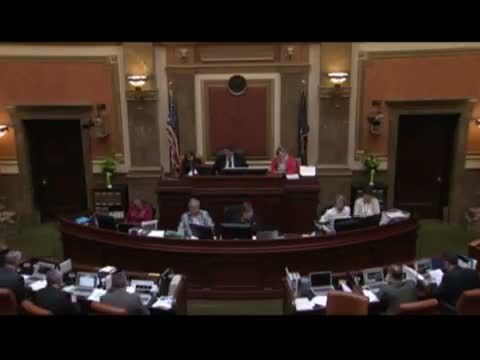
The Utah House passed Senate Bill 72 on final passage after a day-long floor discussion about how and when law enforcement may impound vehicles operated without insurance. The measure, sponsored on the floor by Representative Draxler, changes current statutory language from "may" to "shall" for impoundment when a driver is uninsured, while carving out exceptions if impoundment would create a public-safety risk to occupants or impede officers' response.
Supporters said the bill addresses a pattern of drivers purchasing short-term or fraudulent insurance and then driving uninsured, placing costs on other motorists and the state. Representative Draxler said officers must exercise due diligence before impoundment, including checking the driver-license database, the Utah criminal justice information system, or making verbal contact with an insurer or agent when feasible. "These will take place if it's quite obvious that the person is a habitual offender," the sponsor said during floor remarks, arguing the statute includes safeguards against arbitrary seizures.
Opponents pressed on practical enforcement and the risk of wrongful seizures, citing examples of drivers cited despite having valid coverage not yet reflected in databases. Representative Ray asked how officers should handle after-hours stops when insurers are closed; the sponsor replied the bill includes a public-safety exception and requires officers to use discretion. Representatives also asked whether agencies would be liable for wrongful impoundments; the sponsor pointed to a restricted account the bill creates to reimburse individuals in cases of mistaken impoundment.
The measure prompted a call of the house late in debate. After members returned and voting concluded, the bill passed by a narrow margin, 38 yeas to 35 nays. The House Clerk recorded the tally and the bill will be returned to the Senate for further consideration.
The law's implementation details—exact verification procedures and the operation of the reimbursement account—will be determined in practice by law enforcement protocols and administrative guidance, the sponsor said. Members on both sides urged monitoring and follow-up to ensure the protections written into the bill function as intended in the field.