Get Full Government Meeting Transcripts, Videos, & Alerts Forever!
Get email alerts on the Fund Of Funds Reform topic
No spam. Unsubscribe anytime.
House passes amendments to Fund of Funds to increase transparency, limit debt financing
Summary
HB 243 passed after heated debate. Sponsors said the bill restores the Fund of Funds to an equity-based investment model, places legislative representation on its board, and narrows state exposure to tax-credit-backed debt; opponents warned an incomplete audit and potential loan-default risk.
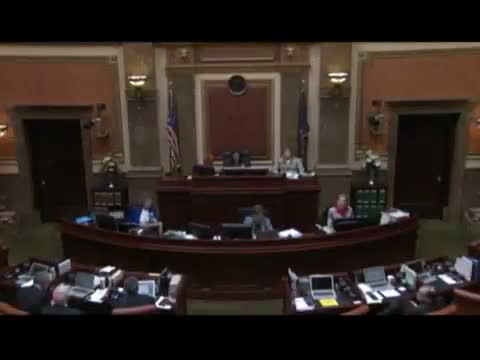
The Utah House on March 6 passed second substitute House Bill 243, a package of amendments intended to increase oversight and transparency of the state's Fund of Funds and to restrict its use of debt-based financing.
Sponsor Representative (name given in debate) said the bill "turns the lights on" at the Fund of Funds by increasing disclosure and adding legislative oversight, including placing one or two legislators on the fund's governing board. He described the measure as a way to "cut the safety net" on amounts not yet invested and to prevent future tax-credit-backed liabilities from creating a large contingent claim on the state's education fund.
Opponents and cautious members — including Representative Hutchings and Representative Ray — warned that making changes while an audit was still underway could spook lenders and potentially trigger a default on existing loans. Representative Hutchings summarized the concern: "the action we're debating right now in this body could potentially trigger a default," referencing conversations with bank actors. Representative Ray and others argued patience until the audit returned would reduce risk and emphasized measuring the program by job creation as well as financial return.
Supporters said the fund had drifted from its original equity-based purpose into debt-based practices and that HB 243 restores the program to its intended model while preserving its ability to attract private capital. Representative Standard, who helped craft the substitute, told members the measure had been negotiated with the fund's executive director and banking partners and allowed a three-and-a-half year transition to test the equity-based approach.
After extended debate and questions, the House approved second substitute HB 243. The reading clerk recorded 64 "yay" votes and 7 "nay" votes; the bill will be transmitted to the Senate.