Get Full Government Meeting Transcripts, Videos, & Alerts Forever!
Get email alerts on the Campaign Finance topic
No spam. Unsubscribe anytime.
Campaign-contribution limits fail after floor fight over transparency and circumvention
Summary
House Bill 297, which would have imposed indexed contribution limits recommended by a gubernatorial commission, failed on the House floor 35–38 after members debated circumvention, free-speech concerns and whether caps or disclosure best improve public confidence.
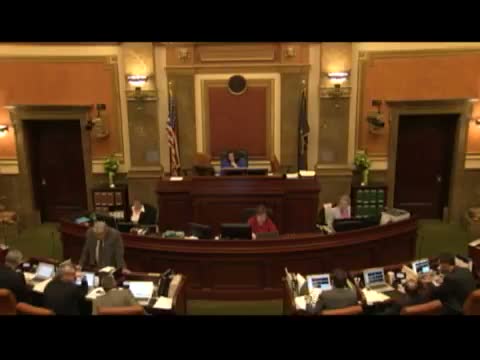
House Bill 297, a measure to set campaign contribution limits and index them to inflation, failed in the Utah House on March 10 after extended floor debate. Representative King, sponsor, said the limits—drawn from a governor's bipartisan commission—are generous and intended to increase public confidence in elected officials.
King outlined proposed ceilings including $10,000 per statewide candidate over a two-year cycle and $5,000 per legislative candidate, and described an amendment instructing the lieutenant governor to adjust those limits annually by the Consumer Price Index. "If this bill did nothing more than increase the confidence of the public...I would feel that would be an important contribution," King said.
Opponents warned the caps could be easily circumvented by creating multiple political action committees that split contributions or by anonymous routes, and several members emphasized that increased disclosure, not limits, would better serve transparency. Representative Hughes said caps create "glass ceilings" and argued for more immediate disclosure measures instead. Representative Anderegg pressed on how CPI adjustments would be posted and enforced. The motion for the previous question was granted, ending debate.
On the roll call the bill failed, receiving 35 yes votes and 38 no votes. The House clerk recorded that the bill fails to pass and will be filed. Supporters said limits would reduce perceptions of undue influence by large donors; opponents warned limits can incentivize evasive fundraising tactics and raised free-speech concerns.
Because the measure failed, no immediate implementation steps were required. Observers and sponsors said the broader transparency and disclosure work underway in the session would continue.