Get Full Government Meeting Transcripts, Videos, & Alerts Forever!
Get email alerts on the Native American History topic
No spam. Unsubscribe anytime.
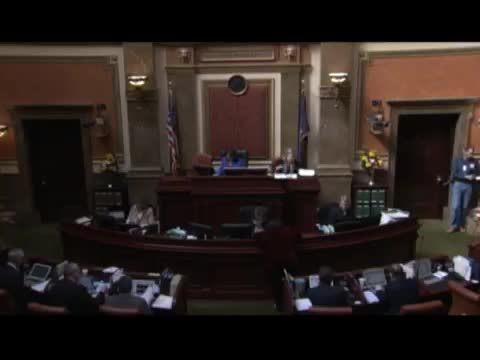
Utah House backs resolution endorsing museum to recognize atrocities against American Indians
Summary
The Utah House voted 56–13 on Feb. 26 to endorse establishment of a national museum recognizing atrocities against American Indians, after sponsors removed inflammatory words such as 'holocaust' and 'genocide' following feedback from tribal leaders.
The Utah House approved a resolution on Feb. 26 urging establishment of a national museum recognizing atrocities against American Indians, a measure proponents said would aid reconciliation and intergenerational healing. Representative Jack Draxler, the House sponsor, told colleagues the second substitute removes more charged language and simply "acknowledges" historic atrocities while encouraging memorialization.
Supporters said the resolution is aimed at education and healing rather than assigning liability. Representative Briscoe cited the Bear River Massacre and the scale of loss in regional history, arguing that a museum could "go a long way toward paying final respect." Representative Noel, who represents several counties with large amounts of federal land, described consultation with tribal leaders and said earlier drafts used words some found too inflammatory; as a result, he said, the sponsors revised the text to remove terms such as "holocaust" and "genocide." Representative Draxler told the House the measure "simply acknowledges these events occurred and ought to be in a museum of some sort, along with the accomplishments and very positive things about Native American culture and history."
Opponents raised concern about the resolution language encouraging establishment or construction of a new museum when existing institutions might host exhibits. Representative Perry said he supported the concept but worried the resolution's phrasing could be read as encouraging construction and potential taxpayer expense. Sponsors responded that the intent is to encourage recognition and to work with existing museums or departments within museums rather than mandate a stand‑alone facility.
After extended floor debate and questions about naming and scope, the House passed the second substitute SJR1 by a vote of 56–13. The resolution will be returned to the Senate for further action.
The move follows rapport between legislators and tribal representatives cited on the floor; sponsors emphasized the measure is declaratory and does not propose reparations or legal action. The resolution’s supporters said it is a symbolic step aimed at educating the public and supporting reconciliation efforts.