Get Full Government Meeting Transcripts, Videos, & Alerts Forever!
Get email alerts on the Voter Privacy topic
No spam. Unsubscribe anytime.
House approves bill to classify voter birthdates as private and add opt-out for voter records
Summary
The House passed first substitute HB302 on Feb. 25, 2014, to classify voters' dates of birth as private and let individuals opt to shield their registration records from public view; sponsors said the change responds to a 2014 data publication and aims to protect vulnerable people without harming election integrity.
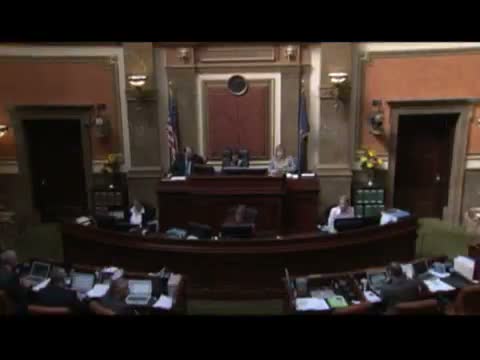
The Utah House on Feb. 25 approved first substitute House Bill 302, a measure that classifies voters' dates of birth as private records and lets individuals opt to remove their registration information from public listings.
Sponsor Representative Edwards told colleagues that the change responds to a prior sale and online publication of the state's voter database in 2014. "The government should not require an individual to relinquish their right of privacy in order to exercise their right to vote," Edwards said during floor remarks, arguing the bill balances the public's right to information with personal privacy.
Under HB302 the date of birth is added to the list of data classified as private and the bill includes an opt-in mechanism at registration, when updating a driver's license, when changing residence or when casting a provisional ballot. Edwards said the lieutenant governor's office supports the effort and that the bill "allows people to make the determination on their own if they'd like to protect that record."
Members debated how HB302 interacts with Senate Bill 36 (SB36), which defines authorized uses of voter data and penalties for misuse. Edwards and other supporters said the bills can coexist: HB302 would make birthdates private while SB36 addresses permitted uses and sanctions. Representative Draxler urged the body to "play close attention to these two bills" and warned that the House bill should pass to close loopholes in the Senate measure.
Several members related personal or constituent concerns about identity theft and the public availability of sensitive details. Representative Hutchings, who said he had experienced identity theft, urged colleagues to protect citizens' confidence in government record keeping. Representative Chavez Houck and others asked whether removing birthdates would hamper election verification; Edwards replied counties can use voter ID numbers and other mechanisms to maintain election integrity.
The House voted 71-2 in favor of the first substitute; the measure will be transmitted to the Senate for consideration. Supporters described the bill as a narrowly tailored fix to protect privacy; some members said they would look to SB36 to add enforcement mechanisms if needed.
Next steps: HB302 is scheduled for Senate consideration. If the Senate acts, differences between the two bills will need reconciliation.