Get Full Government Meeting Transcripts, Videos, & Alerts Forever!
Get email alerts on the Education Online Learning topic
No spam. Unsubscribe anytime.
House approves bill letting public higher-education institutions offer online courses to high school students
Summary
First Substitute HB282 passed 44-25 to expand the statewide online education program to allow public colleges and universities to provide online courses to high school students; sponsors said the change will help meet STEM workforce demand while members raised questions about accommodations and funding.
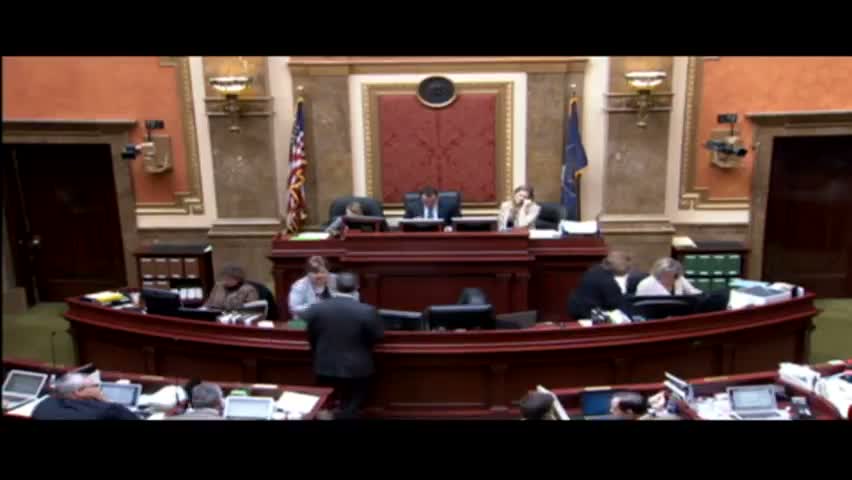
The Utah House on Feb. 26 passed First Substitute HB282, allowing public institutions of higher education to provide online courses to high school students through the statewide online education program. The bill passed 44-25 and will move to the Senate for consideration.
Sponsor Representative Dawe framed the bill as a response to rapidly growing demand for STEM and technical skills. "This bill allows higher education institutions to provide online courses to high school students through the statewide online education program," he said, noting the amendment makes clear the providers are institutions of public higher education.
Members expressed questions and concerns during floor discussion. Representative Ward asked about students who receive specialized accommodations under individualized education programs, saying some school boards worried universities would not have access to the necessary information to provide required services. Representative Dawe replied that such accommodations are handled through the statewide online education system in coordination with the student's high school and counselor.
Representative Briscoe asked how compensation to institutions would be managed and whether the weighted pupil unit (WPU) or fee schedule would apply. The sponsor said the existing graduated fee structure for online providers remains in place and that districts would pay the provider under current arrangements.
Other members raised funding and scope concerns, with Representative Paulson and Representative Moss cautioning that shifting course provision to higher education could redirect funds and reverse prior policy, and that concurrent-enrollment safeguards may not be equivalent to the bill's online-provider approach. The sponsor said the change addresses a supply-demand gap and that universities already have strong STEM programs able to meet student needs.
The House adopted the amendment and passed the bill 44-25. The bill's sponsors said the intent is to expand opportunity, particularly for rural students, by leveraging higher education expertise in online delivery.
The measure will be transmitted to the Senate for consideration.