Get Full Government Meeting Transcripts, Videos, & Alerts Forever!
Get email alerts on the Budgeting Transparency topic
No spam. Unsubscribe anytime.
House advances budget-transparency package to track windfalls, long-term liabilities
Summary
Lawmakers passed House Bill 311 and first substitute HJR 11 to require revenue trend calculations and a fiscal dashboard for budgeting, aiming to identify windfalls and prioritize one-time spending or debt reduction. Both passed overwhelmingly and will go to the Senate.
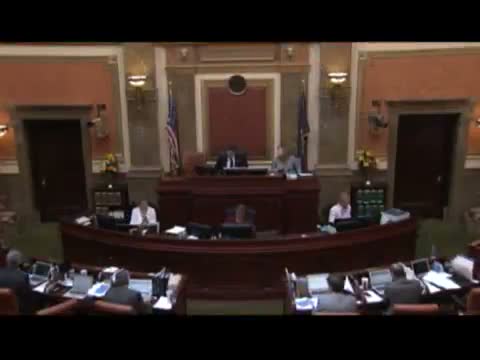
The Utah House passed a two-part package aimed at improving budgeting transparency and limiting the use of temporary "windfall" revenues for ongoing commitments.
Representative Wilson described House Bill 311 as directing staff to calculate revenue trends so the legislature can identify windfalls instead of committing one-time surpluses to ongoing expenses. He said the measure and companion HJR 11 would create a fiscal dashboard for executive appropriations to display long-term debt, contingent liabilities and reserves. Representative Wilson said the intent is to use unexpected surpluses for one-time projects or debt repayment rather than recurring obligations.
Representative Wilcox moved adoption of Amendment 1 to HB 311, which the House adopted without extended debate. HB 311 passed 71-0. Representative Ibsen introduced a first substitute for HJR 11 to align statutory budgeting dates with current practice; the substitute was adopted and HJR 11 passed 71-0.
Supporters, including Representative Brown, noted the state's annual debt-payment obligations (sponsor cited roughly $370,000,000) and argued the measures would help policymakers make more informed, long-term decisions about commitments. Sponsors said the measures are informational, not mandatory, but would enable a more disciplined use of surpluses.