Get Full Government Meeting Transcripts, Videos, & Alerts Forever!
Get email alerts on the Consumer Protection Payday Lending topic
No spam. Unsubscribe anytime.
House passes payday lending reforms to require 60-day repayment window after 10 weeks
Summary
HB 127 passed the House 69–4 on Feb. 24, 2014, requiring lenders to give borrowers a 60‑day, no-interest, no-fee repayment option after a maximum rollover period and adding disclosure, underwriting and reporting requirements for payday lenders.
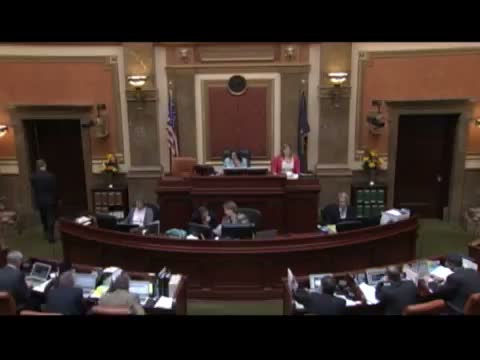
The Utah House approved HB 127, consumer lending amendments addressing payday lending practices, by a vote of 69–4 on Feb. 24. Representative Dunnegan, sponsor of the bill, described its measures as modest steps to protect consumers while preserving lawful business activity.
Dunnegan told the chamber that payday loans often roll over and that state law already prohibits rolling past 10 weeks; HB 127 adds a 60‑day, no-interest, no-fee repayment option at that point to allow borrowers time to repay without legal threat. "We will give you 60 days to pay off that payday loan with no interest and no fees and no threat of being taken to court," Dunnegan said on the floor.
The bill also requires a 10‑day notice before a lender takes a borrower to court, introduces minimum underwriting to assess ability to pay (using past history, pay stubs, or an available database), and mandates additional reporting data points to regulators so the Division of Financial Institutions can better assess industry practices. Dunnegan said the regulator asked for four data points — including how many loans reach the 10‑week limit and the dollar amount of those loans — and the bill incorporates those reporting requirements.
Members asked about enforcement and penalties for falsified reports; Dunnegan noted registration revocation as a potential enforcement tool. Other legislators indicated they support this incremental approach as a starting point for broader reform if data show further problems in the market.
The House passed HB 127 69–4; the measure will be transmitted to the Senate for further consideration.