Get Full Government Meeting Transcripts, Videos, & Alerts Forever!
Get email alerts on the HB68 Student Privacy topic
No spam. Unsubscribe anytime.
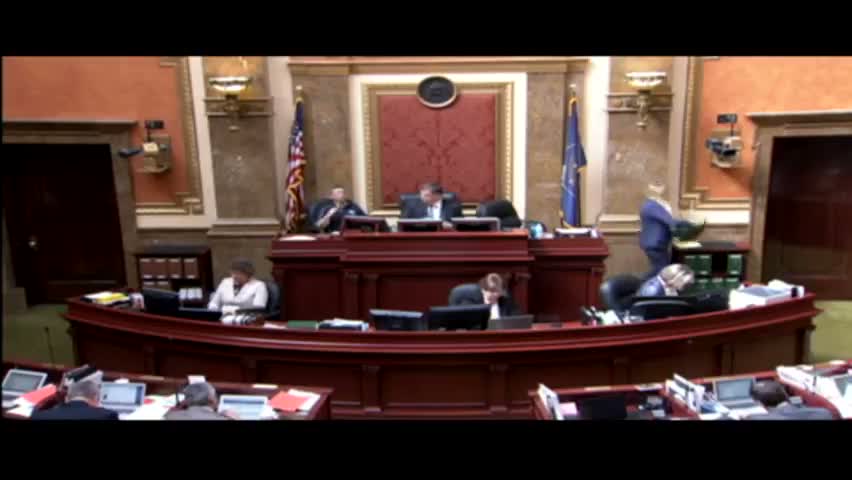
Student Privacy Act set aside after floor questions, Representatives seek more time
Summary
Representative Andrick presented the Student Privacy Act (second substitute) to set statewide rules on student data and third‑party contractors; after floor questions and concern from some members, the House voted to 'circle' the bill for additional review rather than pass it today.
Representative Andrick introduced the Student Privacy Act (second substitute), which he described as a framework for classifying student information, regulating third‑party contractors, and prohibiting sale or data‑mining of student records.
"What the Student Privacy Act does...is it basically establishes the guidelines for how information is to be collected and stored in public education," the sponsor said, explaining categories of allowable information and more sensitive optional data that would require disclosure. He said the bill establishes procedures for third‑party contractors to meet the same security expectations as local education agencies and prohibits selling student data.
Floor discussion included questions about implementation timelines and the need for additional amendments. Representative Thurston and others asked which amendment the sponsor preferred; Andrick said Amendment 2 addressed an omission discovered minutes earlier and was his preference. Some members urged moving ahead while others asked for more time to vet emails and stakeholder input. Representative Cutler said he wished to consult with the sponsor before committing his floor vote.
On the motion to circle — a procedural move to delay further floor consideration — supporters of the delay argued more time was needed to address concerns and ensure consensus. Opponents urged prompt action on privacy protections. The motion to circle passed, effectively setting HB68 aside for further work instead of taking a final floor vote that day.
The transcript shows the bill provoked detailed technical discussion about data categories, contractor safeguards, implementation timing, and whether statutory language or administrative rulemaking was the appropriate venue for some provisions. The floor action recorded the motion to circle and the bill was set aside.