Get Full Government Meeting Transcripts, Videos, & Alerts Forever!
Get email alerts on the Education Funding topic
No spam. Unsubscribe anytime.
Utah House narrowly approves bill removing sunset on school‑district hold‑harmless funding
Summary
After extended floor debate and a call of the House, the Utah House passed SB 78 to remove a five‑year sunset that had equalized funding after school‑district splits, keeping affected students ‘‘held harmless’’ for lost taxable revenue; the vote was 39–31. Lawmakers raised concerns about unintended consequences for taxpayers and existing contracts.
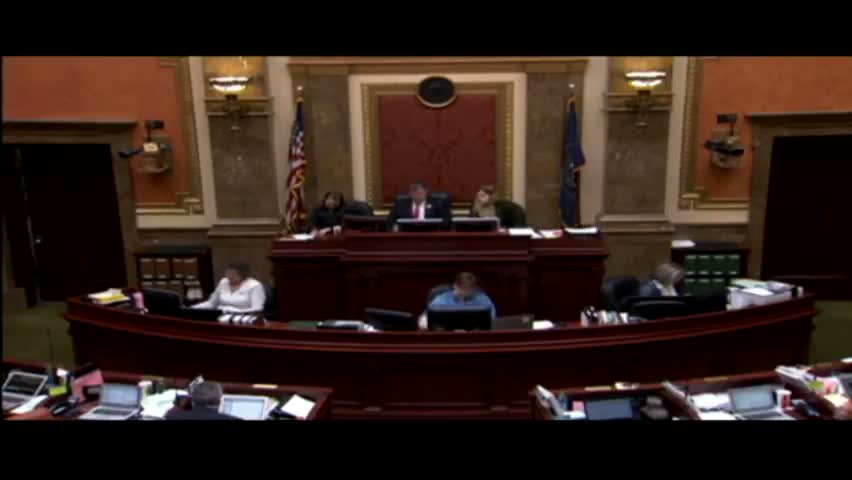
The Utah House of Representatives passed Senate Bill 78 on March 11, 2015, in a 39–31 vote after an extended floor debate and a call of the House. SB 78 removes a five‑year sunset provision that had equalized tax revenue for students in districts created by splits, continuing the state’s ‘‘hold harmless’’ treatment so students in affected districts will not suffer funding losses tied to boundary changes.
Representative Liffer, who presented the bill, said the measure continues existing protections so that students and educators in districts affected by a split will not face sudden funding shortfalls. He described the legislation as a mechanism to remove financial incentives for district splits and to maintain continuity in classroom funding.
Members pressed the sponsor on whether the bill applies retroactively to the Canyon–Jordan split and whether it would override any contractual wind‑down agreements between districts. The sponsor replied that the bill sets base state law to remove the sunset but will not supersede specific contractual arrangements already in place.
Opponents expressed concern about possible unintended fiscal impacts on local taxpayers and on homeowners who continue to pay bond obligations to districts they did not vote into. Representative Paulson said constituents in her area were ‘‘furious’’ about continuing tax obligations after a split and warned of consequences for making the hold‑harmless change permanent.
During final passage, a member called for a House roll call (call of the House). After the call and reopening of the vote, the presiding officer declared the motion passed and announced the tally as 39 yeas and 31 nays; the bill will be returned to the Senate for further consideration.
SB 78’s next steps are limited to Senate consideration and any concurrence actions that may follow. The bill’s effect, if enacted, is to make the current hold‑harmless funding structure permanent law unless later changed by the legislature; sponsors said existing contractual obligations between districts would remain in force and the bill is not intended to nullify those contracts.
Representative Liffer and floor participants noted that a larger shift to statewide equalization of education revenue would render this bill unnecessary, but until such systemic reform occurs, SB 78 remains the vehicle to prevent an immediate fiscal cliff for students in affected districts.