Get Full Government Meeting Transcripts, Videos, & Alerts Forever!
Get email alerts on the Privacy Prescription Db topic
No spam. Unsubscribe anytime.
House narrows law‑enforcement access to prescription database but rejects broader restriction amendment
Summary
The House passed a first substitute of SB 119 tightening access to the controlled‑substance prescription database by requiring more stringent standards; an amendment that would have limited law‑enforcement access to few designated investigators was rejected in a division vote after extended debate over privacy and investigatory needs.
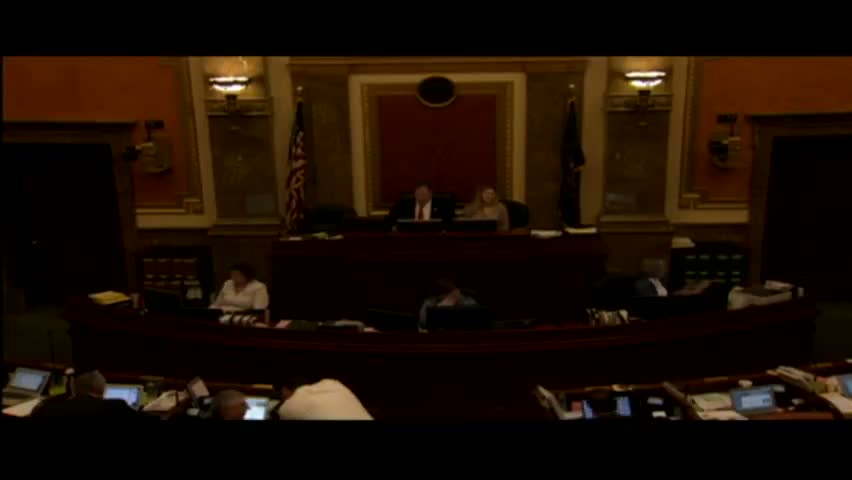
Members debated a privacy‑focused change to law enforcement access to the prescription controlled‑substance database before passing first substitute SB 119 on March 11.
Sponsor Representative Dawe argued the database stores sensitive prescription records that should be treated as private and that law enforcement should require probable cause and a warrant before searching the system. “This data is private,” the sponsor said, urging support for the bill without amendment.
Representative Ray offered an amendment to preserve some investigatory access — putting law enforcement access behind the USEGIS system and allowing narcotics or designated investigators to query the database on reasonable suspicion, rather than requiring a warrant in every case. Ray framed the amendment as a compromise to preserve investigative capability for serious situations while limiting broad access.
Floor debate was vigorous and sustained. Opponents of the sponsor’s original text warned of hampering investigations and public‑safety tools; backers of the warrant standard cited Fourth Amendment protections and two documented abuses of the database. The body took a division vote on the amendment; the amendment failed (21 in favor, 44 opposed, 20 absent) and the House proceeded to vote on the first substitute.
First substitute SB 119 then passed the House, 55 yes to 17 no, and will be returned to the Senate. The transcript records claims of prior misuse of the database and repeated floor exchanges over whether law enforcement must have a warrant or whether limited, audited access by specified investigators is sufficient. The House vote adopted stronger privacy protections than current practice while leaving avenues for law enforcement work to be addressed in further policy or rulemaking.