Get Full Government Meeting Transcripts, Videos, & Alerts Forever!
Get email alerts on the Historic Preservation topic
No spam. Unsubscribe anytime.
Historic-district bill fails after hours of debate over property rights
Summary
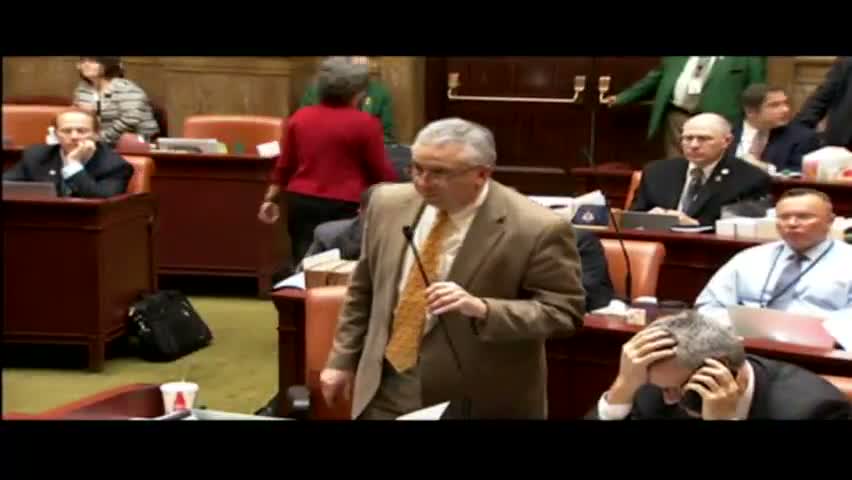
A proposed change to the process for creating local historic districts — which would have raised the final approval threshold to a supermajority — failed in the Utah House after extended floor debate about property rights, local control, and process. Opponents urged interim study.
House members spent an extended portion of the March 12, 2015 floor session debating second substitute SB293, which would have raised the final approval threshold for creating a local historic district (the text discussed included a 75 percent requirement). Sponsors said the higher threshold was intended to protect private-property rights and prevent a small group from imposing restrictions on neighbors; critics said the proposed standard would make districts functionally impossible, especially in contested neighborhoods.
Representative McKay and others framed the bill as a needed correction after prior law left a ‘‘nuclear option’’ allowing a local governing body to override neighborhood opposition. Representative Draxler and Representative Fred Cox proposed lowering the threshold to a simple majority (51 percent) or the word "majority," but those amendments failed on the floor. Representative Brian King, who identified his Yale Crest neighborhood as the locus of the controversy, urged patience and an interim study, saying the bill’s 75 percent final threshold would be “practically impossible” to meet and would effectively bar local historic districts.
Supporters argued that the current process allowed a minority to push through restrictions that affect other property owners’ rights and that a high final threshold preserves liberty. After several substitute amendments were debated and defeated, the House voted; SB293 failed on final tally, 31–38. Lawmakers who opposed the bill urged returning the matter to the interim for further study rather than imposing a uniform, statewide rule on local historic-district processes.
Next steps: with the measure failing on the floor vote, SB293 will be transmitted to the Senate for filing. Sponsors and opponents signaled interest in further discussion during the interim.