Get Full Government Meeting Transcripts, Videos, & Alerts Forever!
Get email alerts on the Transportation Funding topic
No spam. Unsubscribe anytime.
House rejects bill that would have raised registration fees, added clean-fuels funding
Summary
A proposal to raise registration fees and add targeted surcharges on electric and natural gas vehicles — including a $10 across‑the‑board increase and a one-year $2.5 million transfer to a clean-fuels fund — failed in the House after extended debate on revenue and policy tradeoffs.
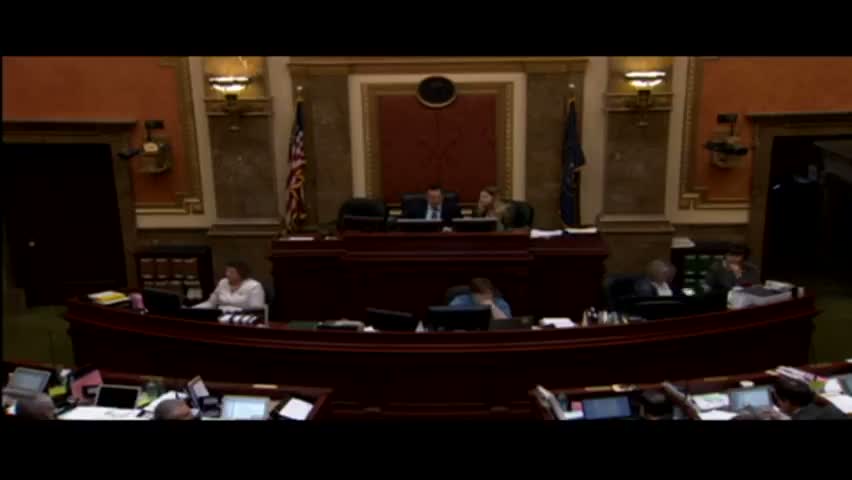
A bill that would have raised vehicle registration fees and shifted money to a clean-fuels infrastructure fund failed in the Utah House on March 11.
Representative Anderson, presenting the third substitute of Senate Bill 231, described the measure as a $10 increase in registration fees for every vehicle plus additional increases for natural-gas and electric vehicles. He said the proposal would generate roughly $26.7 million annually, of which about $20 million comes from the across‑the‑board $10 increase; the sponsor also proposed a $2.5 million one-year transfer to a clean fuels and vehicle-technology fund to support charging and fueling infrastructure.
Members raised questions about whether the bill duplicated other measures under consideration, how the changes would interact with separate fuel-tax reform proposals, and whether increases on plug‑in and natural‑gas vehicles amounted to fair treatment of different road users. Representative Liffords, who described owning a plug‑in hybrid, supported the principle that all vehicles should contribute to road maintenance and said his own low annual fuel-tax payments underscored the need for a fair user-fee approach. Other members warned the bill would be a tax increase and noted potential overlap with other proposals.
After extended questioning and debate, the House voted to reject the third substitute: the bill received 11 yes votes and 51 no votes and therefore failed to pass the House. Representative Anderson and supporters indicated the concepts could remain part of the broader transportation funding discussion as lawmakers consider a package of revenue options.
Because the bill failed on the floor, there is no implementation path from this measure; sponsors said they will continue study and discussion in interim transportation committees and through other bills.