Get Full Government Meeting Transcripts, Videos, & Alerts Forever!
Get email alerts on the Auto Dealer Franchise topic
No spam. Unsubscribe anytime.
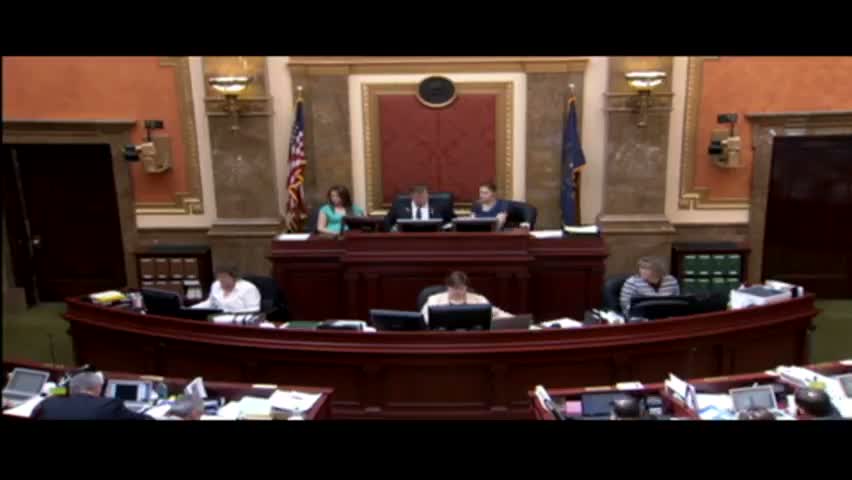
Utah House narrowly rejects bill to let manufacturers sell cars directly, after lengthy Tesla-centered debate
Summary
A bill to create a separate "online dealer" license—aimed at allowing manufacturers such as Tesla to sell directly to Utah customers—failed on the House floor after hours of debate over dealer protections, consumer safeguards and grandfathering rules. Vote: 32-41.
Representative Rebecca Coleman opened debate on second substitute House Bill 3 94, proposing a new "online dealer" category to let manufacturers sell vehicles directly to Utah buyers without the traditional franchise middleman.
Coleman said the proposal was designed to balance innovation and existing dealer interests by allowing direct, made-to-order online sales while preserving franchise protections for manufacturers that already have Utah dealers. "We create a new path while maintaining the existing system," Coleman told the House, arguing the change would let Utah residents buy certain electric vehicles locally instead of travelling out of state.
The bill drew extended questioning from colleagues who raised several substantive concerns: whether manufacturers and dealers had genuinely reached agreement, how the bill would prevent established manufacturers from switching lanes into direct sales, and how consumer protections such as service-center requirements and bonding would be enforced. Representative Cunningham asked about a reported cease-and-desist action by the attorney general against the company; Coleman said she was not aware of a cease-and-desist but noted that Tesla had been notified it could not conduct sales at its planned Salt Lake County site.
Key negotiated elements described by Coleman included a grandfathering date that prevents manufacturers with existing Utah franchise relationships from converting to the online lane, limits on showroom and demonstration vehicles with no sales inventory kept on-premises, a requirement that online dealers maintain an authorized service center, and consumer-protection and bonding requirements suggested by dealers. Coleman said Craig Bickmore of the Utah new auto dealers had affirmed agreement in concept, while acknowledging some technical language remained under review.
Opponents urged more time for review and interim study. Representative Aaron said the bill contained substantial new language that many stakeholders had not yet had time to analyze; Representative Gibson called for the floor to hear the matter rather than continue circling the issue. Supporters invoked economic development and clean-air goals and said the market is changing.
After hours of debate the House closed voting. The second substitute bill failed on the floor with 32 yeas and 41 nays. The record shows the chamber did not adopt the proposed statutory carve-out for online dealers.
What’s next: Sponsors and stakeholders said they would continue technical work and consider further negotiation as the matter moves forward. The House proceeded to other business and circled several high-priority budget bills for third reading later in the day.
Provenance: topicintro SEG 330; topfinish SEG 1476
Speakers quoted: Representative Rebecca Coleman (bill sponsor) — presentation and summation; Representative Cunningham — question on AG action; Representative Aaron — request for more review.
Votes at a glance: Second substitute HB 3 94 — vote: 32 yea, 41 nay (failed).