Get Full Government Meeting Transcripts, Videos, & Alerts Forever!
Get email alerts on the Tax Policy topic
No spam. Unsubscribe anytime.
House approves tax changes aimed at smoothing local revenue volatility
Summary
The House passed first substitute HB328 on March 6, 2015 by a 40-30 vote. Sponsors said the bill removes commodity-based and business personal property from the ‘new growth’ calculation to reduce volatility and increase transparency; counties and some rural representatives warned it will shift winners and losers.
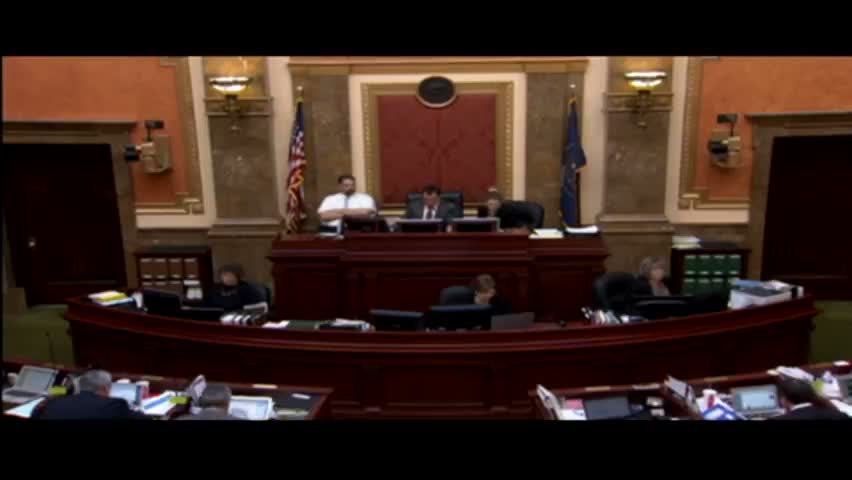
The Utah House passed first substitute HB328 on March 6, 2015, a package of tax-code changes intended to reduce volatility in local revenue calculations. Representative McKay, the floor sponsor, said the bill removes commodity-based resources and business personal property from the new-growth calculation, and restores value from certain redevelopment activity to the rolls so that growth calculations better reflect stable, recurring revenue.
McKay and supporters framed the change as bringing transparency and predictability to local budgets. They said the measure protects taxing entities from commodity swings that can unpredictably inflate the base and that a hold-harmless mechanism will preserve current revenues while preventing hidden, stacked growth increases going forward.
Opponents, often representing rural and commodity-dependent counties, argued the change would reduce assessed value in their jurisdictions and pick winners and losers among counties. Representative Brad King and others raised concerns about projected losses in assessed values—for example, a rural county estimate of a $500 million assessed-value change was cited on the floor—and urged more time to evaluate local impacts and to involve county officials. Questions also centered on whether the bill preserves truth-in-taxation protections and whether counties would still 'float' rates to capture perceived revenue.
After extended questioning and discussion, the House passed HB328, 40 yes to 30 no, and the bill will be transmitted to the Senate.