Get Full Government Meeting Transcripts, Videos, & Alerts Forever!
Get email alerts on the White Collar Registry topic
No spam. Unsubscribe anytime.
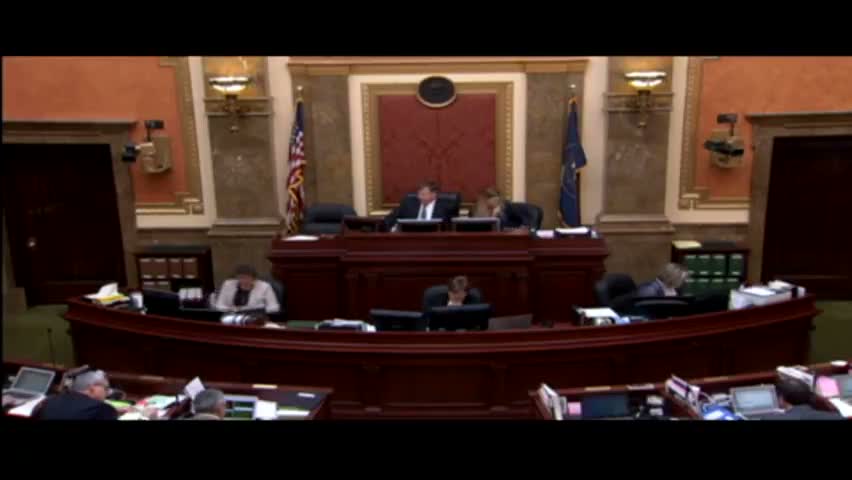
House approves white‑collar crime registry after heated debate
Summary
The Utah House passed a second substitute to HB 378 on March 5, 2015, creating an Attorney General‑run registry for specified second‑degree financial felonies; sponsors said it consolidates hard‑to‑find convictions and incentivizes restitution, while opponents warned of duplication and expanded AG workload. The bill passed 65-7 and moves to the Senate.
The Utah House passed a second substitute to HB 378, creating a statewide white‑collar crime registry that the attorney general would maintain for certain second‑degree financial felonies. The measure passed 65-7 after floor debate over scope, retroactivity and administrative cost.
Sponsor Representative Tim McHale said the registry would make convictions easier for the public to find and provide an incentive for offenders to pay restitution. He said many of the relevant records are technically public but “difficult to find,” and described the database as a user‑friendly consolidation useful to victims and potential investors. “This is a database that you can come off,” the sponsor said, noting removal would generally require payment of court‑ordered restitution.
Opponents questioned whether the registry duplicated existing background‑check systems and expressed concern about expanding duties in the Attorney General’s office. Representative Ray said the substitute reduced retroactivity and narrowed the included offenses, but cautioned that putting long‑ago convictions on a registry could be unfair if individuals had completed their sentences and restitution.
Supporters pointed to high‑profile fraud cases in the state as justification. The sponsor invoked the-scale example of a Ponzi scheme and said a simple, searchable list could help people spot potential frauds before they invest.
After debate and a successful motion to substitute a narrowed version of the bill, the House voted to approve the second substitute on a 65‑7 tally. The bill lists specific second‑degree felony offenses eligible for inclusion, provides a process for removal (including if convictions are expunged or restitution is paid), and includes a fiscal note the sponsor described as modest (less than $50,000 initial cost in his remarks). HB 378 now goes to the Senate for consideration.
The House debate included questions about whether judges retain discretion to remove names, whether the registry duplicates existing public records, and how the removal process would work when victims must be notified. The bill text ties removal to specified conditions such as expungement, reduction of conviction severity, or completion of restitution.