Get Full Government Meeting Transcripts, Videos, & Alerts Forever!
Get email alerts on the Education topic
No spam. Unsubscribe anytime.
Utah House approves $50 educator tax credit, adds study of teacher out-of-pocket spending
Summary
The House passed a bill creating a $50 nonrefundable tax credit for unreimbursed educator expenses and directed an interim study by the state board of education to assess teacher out-of-pocket costs. Lawmakers debated whether credits or direct appropriations better serve classrooms.
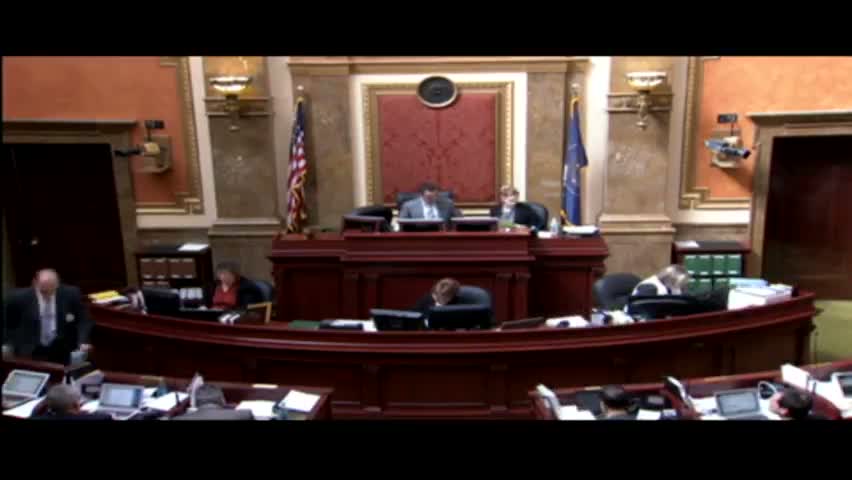
The Utah House of Representatives on Feb. 20 approved a first-substitute bill creating a $50 nonrefundable tax credit for unreimbursed educator expenses and directed the State Board of Education to study teacher out-of-pocket spending during the interim.
Representative Karianne Lisonbee, the bill sponsor, told colleagues the measure "enacts a non refundable tax credit for certain expenses that an educator incurs and they have to keep receipts and it's for unreimbursed expenses." She said the substitute adds a study so the state can determine whether the credit amount should be increased in future sessions.
Supporters framed the measure as a modest recognition of teachers who spend personal funds on classroom supplies. Representative Cutler said the proposal is "a good signal to the teachers that we are listening to them," and Representative Ivory noted teachers often spend "$50 a month or more" supplementing classroom resources.
Opponents urged caution about using the tax code in place of direct appropriations. Representative McKay said his "fundamental concern" is that tax credits erode principles of a broad-based, lower-rate tax policy and create less transparent support than targeted appropriations. Representative Brown questioned the administrative cost and ongoing obligations for the Tax Commission to audit small credits.
Members also debated program design and scope. Representative Fosin successfully moved an amendment to specify qualifying purchases must be "for educational purposes in a classroom," language the sponsor said reflected the bill's intent and would remain broad enough to allow professional development or classroom-use materials.
Lisonbee emphasized the limited size of the credit but defended it as voluntary and statewide: "No teacher will apply for the credit" if their district already covers the expense, and the interim study will inform whether the credit should be increased, she said.
The House voted 48–24 to pass first substitute HB 207 and referred the bill to the Senate for further consideration. The bill includes a directive that the State Board of Education study average unreimbursed teacher spending during the interim.
Next steps: HB 207 goes to the Utah Senate for consideration; the interim study will be conducted by the state education office as specified in the substitute text.