Get Full Government Meeting Transcripts, Videos, & Alerts Forever!
Get email alerts on the Building Code topic
No spam. Unsubscribe anytime.
House adopts changes to building‑code adoption cycle, requires cost‑benefit reviews
Summary
The House substituted and passed HB 285, shifting the residential code adoption cycle from three to six years, requiring annual commission reports and cost‑benefit analyses for recommended code changes. Supporters cited consumer cost concerns; opponents flagged safety and insurance worries. The substitute passed 68–10.
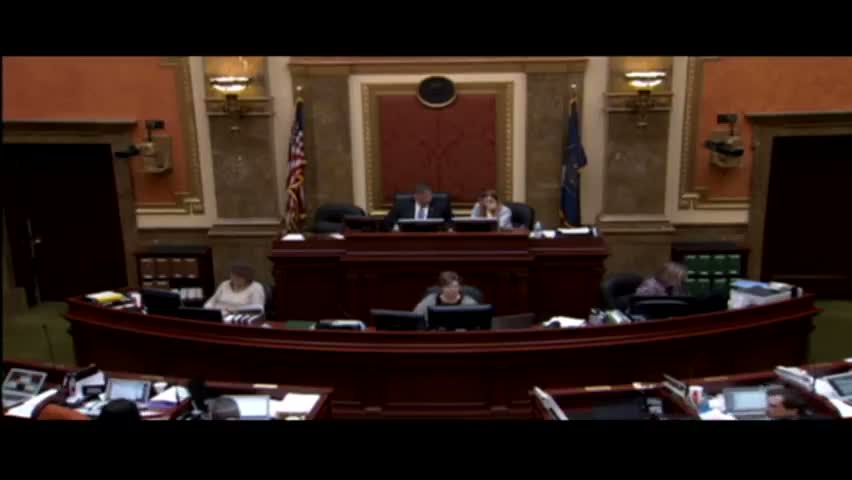
The Utah House on March 2 adopted a third substitute to HB 285, changing aspects of the state's building code process. Representative Wilson, sponsor of the substitute, said the measure updates fire and electrical codes, extends the residential code adoption cycle from three to six years, and requires the Utah Building Code Commission to provide annual reports and cost‑benefit analyses for recommended changes.
Wilson told colleagues the change is intended to avoid frequent small changes that raise construction costs for homeowners with limited safety gains. "We originally talked about going to a 9 year cycle. That seemed a little bit long. 3 year cycle seemed a little bit too fast. So, just like the porridge, we have it at 6 and we feel like it's just right," the sponsor said on the floor.
Several members pressed for more frequent reviews on life‑safety items and raised the potential impact on insurance premiums if homes built under an older residential code were judged less safe. Representative Moss asked whether longer cycles could increase insurance costs; the sponsor said an annual report to the legislature would allow immediate action on life‑safety issues and that commercial code adoption would remain on a three‑year cycle.
The House adopted the substitute and passed third substitute HB 285 by roll call, 68 yea and 10 nay. The bill will be transmitted to the Senate for further consideration.