Get Full Government Meeting Transcripts, Videos, & Alerts Forever!
Get email alerts on the Distracted Driving topic
No spam. Unsubscribe anytime.
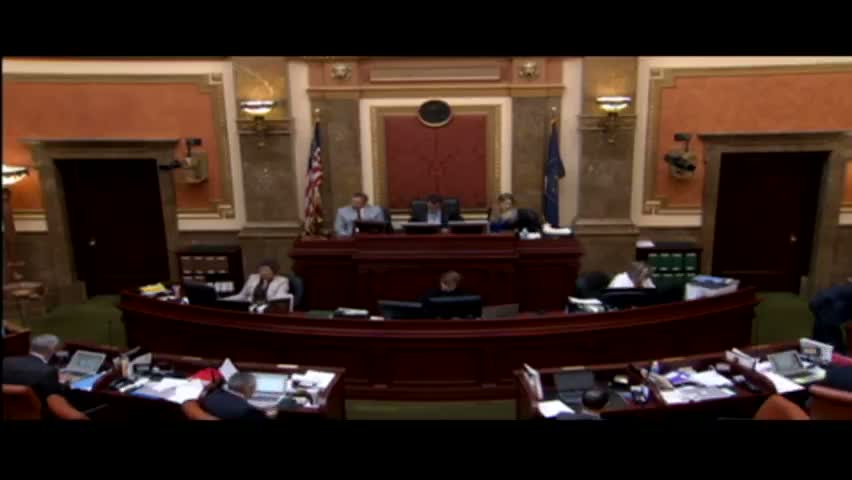
Utah House debates narrower distracted-driving bill, adopts several amendments then circles the measure
Summary
Lawmakers spent the bulk of the Feb. 17 floor session debating first-substitute HB 63 (distracted driving). The House removed a phrase limiting law-enforcement exemptions and downgraded proposed penalties, but members ultimately voted to 'circle' the bill for further work rather than pass it today.
A lengthy floor debate over first-substitute HB 63 consumed much of the Utah House’s Feb. 17 session as lawmakers balanced road‑safety concerns, enforcement practicality and criminal penalties.
Representative Jason Anderegg (bill sponsor) said the substitute narrows last year’s law by clarifying the meaning of "manipulate the device" and by defining limited hands‑free dialing, not permitting texting. "What we did last year is we basically outlawed making or receiving a phone call while you are operating a vehicle," the sponsor said, and the substitute attempts to restore limited, practical functions while keeping handling and manipulation illegal.
Multiple members questioned how officers would enforce distinctions between dialing and texting and whether permitted activities (for example, playing music from a handheld device) create distraction. Representative Paul moved to remove allowances for listening to music from handheld devices; that motion failed on the floor. Representative Fred Cox and others asked whether voice‑control dialing would remain legal; the sponsor said it would.
On penalties, Representative Jason Tanner moved to change the proposed offense from a class A to a class B misdemeanor to avoid over‑criminalizing common behavior; that amendment passed. Representative Paul and others proposed a substitute to reduce the offense to an infraction (mover: Representative Cutler); that substitute failed. Representative Ray successfully moved to strike the words "in exigent circumstances" from a line referencing law‑enforcement use so the exemption language was narrowed and then adopted.
Opponents urged keeping stronger penalties, with Representative McHale (who handles accident cases) arguing that lowering penalties underestimates harm seen in crashes. Representative Handy cited research equating talking on a phone while driving to impairment, calling distracted driving "deadly serious." Supporters said the sponsor’s revisions seek a balance between safety and reasonable accommodation for work duties.
After extended debate and a series of amendments, members voted to "circle" HB 63 — removing it from immediate floor consideration so the sponsor can work with colleagues on lingering concerns. The sponsor agreed to the maneuver; the motion to circle passed. No final passage occurred; the bill will be revised and returned for future consideration.