Get Full Government Meeting Transcripts, Videos, & Alerts Forever!
Get email alerts on the Health Care topic
No spam. Unsubscribe anytime.
Utah House passes 'right to try' bill allowing some terminal patients to seek investigational drugs
Summary
The House adopted a third substitute of HB 94 to let terminally ill patients seek investigational drugs that have completed FDA phase‑1 testing, add liability protections for providers, and place limited insurance conditions; after extended debate the bill passed 72–1 and will go to the Senate.
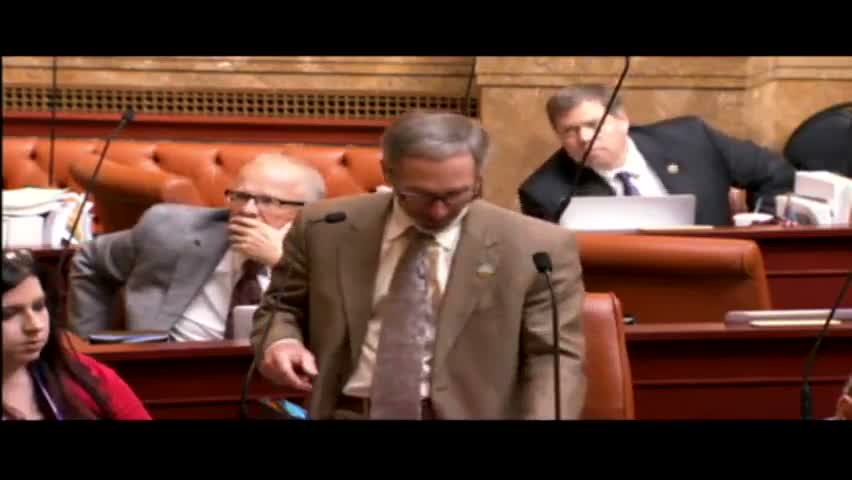
Representative Dan McCay (note: sponsor identified in debate as Representative Frower in this transcript) led floor action to uncircle and adopt a third substitute for House Bill 94, described on the floor as a 'right to try' measure to allow terminally ill patients access to investigational drugs that have completed Food and Drug Administration (FDA) phase‑1 testing. The sponsor told colleagues the bill aims to give patients who have exhausted conventional options “a glimmer of hope” and to avoid lengthy FDA compassionate‑use delays that can outlast a patient's remaining time.
The bill’s third substitute added liability protections for health‑care providers and clarified that a manufacturer, a treating physician and the patient must consent. The sponsor said the measure requires informed consent from the patient and that insurance coverage would be preserved for conditions unrelated to the investigational treatment; the negotiated compromise limits insurer obligations during a six‑month period tied to the investigational treatment.
Supporters on the floor told personal stories underscoring the bill’s urgency. Representative Frower said the measure is about providing dignity and possible medical benefit to terminal patients. Lawmakers asking implementation questions sought clarity about coordination with the FDA and federal enforcement; the sponsor responded that similar state laws have not prompted federal prosecutions and that the statute is written to place liability with the patient for investigational use after phase‑1 testing.
Opponents and questioners raised practical concerns about insurance, cost, and whether the bill could unintentionally shift financial responsibility for hospitalizations or treatment complications. On that point the sponsor noted extensive work with the insurance industry and described the six‑month compromise as a negotiated balance.
The House adopted the third substitute and passed HB 94 on a recorded vote of 72 yes to 1 no. The bill will be transmitted to the Utah Senate for its consideration. The sponsor said the intent is to permit terminally ill Utahns an additional treatment path while framing protections for providers and insurers.
What happens next: HB 94 now moves to the Senate, where proponents and stakeholders indicated they will continue to press for clarity on implementation mechanics and insurer coordination.