Get Full Government Meeting Transcripts, Videos, & Alerts Forever!
Get email alerts on the Health Medicaid Waiver topic
No spam. Unsubscribe anytime.
House passes pilot Medicaid-waiver to help families of children with complex medical needs
Summary
The Utah House approved first substitute House Bill 199, a pilot program authorizing the Department of Health to seek a Medicaid home-and-community-based waiver to provide secondary Medicaid backup and a modest respite benefit to families caring for children with complex medical needs; the measure passed unanimously in the House (72-0).
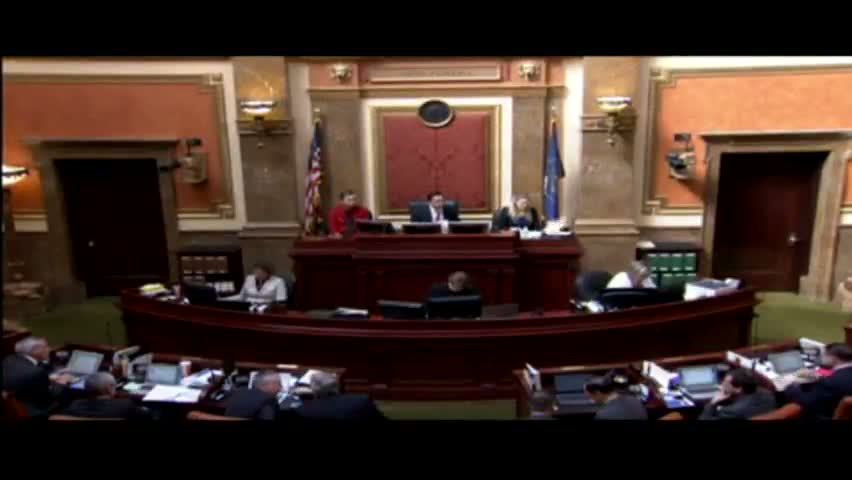
House first considered House Bill 199 on Feb. 17, 2015, a bill that would allow the Utah Department of Health to apply for a Medicaid home-and-community-based waiver to help families who care for children with severe disabilities and complex medical needs. Sponsor Representative Red said the pilot would provide Medicaid as a secondary payer to private insurance and offer a modest respite benefit to ease financial and caregiving burdens.
Supporters described the bill as a targeted, preventive intervention to keep children at home and out of institutional care. Representative Red said the measure would "pick up many of the costs not covered by the family's private insurance" and would include a brief respite benefit — described on the floor as about three hours per week — plus Medicaid secondary backup. Representatives Lifferth and Lisonbee, among others, urged colleagues to support the bill as a way to preserve families and avoid larger public costs from institutionalization. Representative Red told members the Department of Health would apply to the Centers for Medicare & Medicaid Services for a waiver and that eligibility would consider both medical complexity and the impact on the family.
Members asked procedural and programmatic questions on screening, oversight and reporting. The sponsor said the Department of Health would report annually on outcomes beginning in February 2016 to the Health and Human Services interim committee. After floor discussion and summation by the sponsor, members voted to pass the first substitute of HB199; the House recorded 72 yes votes and 0 no votes. The bill will be transmitted to the Senate for its consideration.
The House record shows the bill is a pilot, not a guarantee of universal program expansion; the measure authorizes application for a federal waiver and sets up state-level reporting to monitor the pilot's implementation and results.