Get Full Government Meeting Transcripts, Videos, & Alerts Forever!
Get email alerts on the Death Penalty topic
No spam. Unsubscribe anytime.
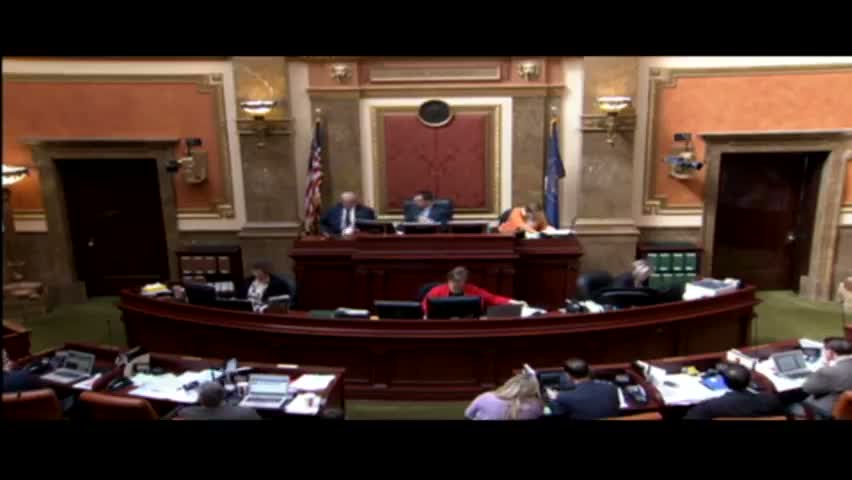
Utah House approves HB 11 to allow firing squad if lethal-injection drugs are unavailable
Summary
The Utah House passed HB 11 on Feb. 13, 2015, adding a contingency that would allow the state to use a firing squad if lethal-injection drugs cannot be obtained or a court bars lethal injection; the measure passed 39–34 and now moves to the Senate.
The Utah House of Representatives approved HB 11, titled “Death Penalty Procedure Amendments,” on Feb. 13, 2015, adding a backup provision that would permit the state to use a firing squad if lethal-injection drugs are unavailable or if courts find lethal injection unconstitutional. The measure passed the House by a 39–34 vote and was referred to the Senate for consideration.
Sponsor Representative Ray told colleagues the bill leaves lethal injection as Utah’s primary method but provides a backup to avoid court delays and extensive litigation costs if the drugs are unobtainable or if lethal injection is ruled unconstitutional. ‘‘This bill just goes one step... it says not only if it’s unconstitutional, but if we cannot get the drug cocktail, then we will revert back to the firing squad,’’ Ray said.
Opponents described moral, racial and fiscal concerns. Representative Hollins said the death penalty ‘‘disproportionately affects my community’’ and that he would ‘‘refuse to vote yes on a bill that gives a tool to carry out the death penalty.’’ Representative King offered a graphic description of a firing-squad execution and argued the policy is ‘‘barbaric’’ and fiscally irresponsible, citing research he said shows the death penalty does not deter murder. Representative Handy recounted family experience on a corrections board and said he would vote no if the firing squad were reinstated.
Supporters, including the sponsor, said the change is a narrow procedural fix intended to ensure the state can carry out sentences ordered by the courts without prolonged, expensive litigation if lethal-injection drugs are not available. The sponsor also said marksmen and local law-enforcement volunteers would be used on a volunteer basis rather than forcing correctional officers to serve.
The House called the roll, allowed members time to arrive during a call of the House, then closed and counted votes. House Bill 11 received 39 yes votes and 34 no votes. The bill was transmitted to the Senate for further consideration.