Get Full Government Meeting Transcripts, Videos, & Alerts Forever!
Get email alerts on the Child Welfare topic
No spam. Unsubscribe anytime.
House approves bill allowing emergency placement of children with vetted family friends
Summary
The Utah House passed first substitute HB39 to let the Division of Child and Family Services place children in emergency care with vetted family friends or a sibling’s adoptive parent who is not yet a licensed foster parent; the measure passed 70–1 and was sent to the Senate.
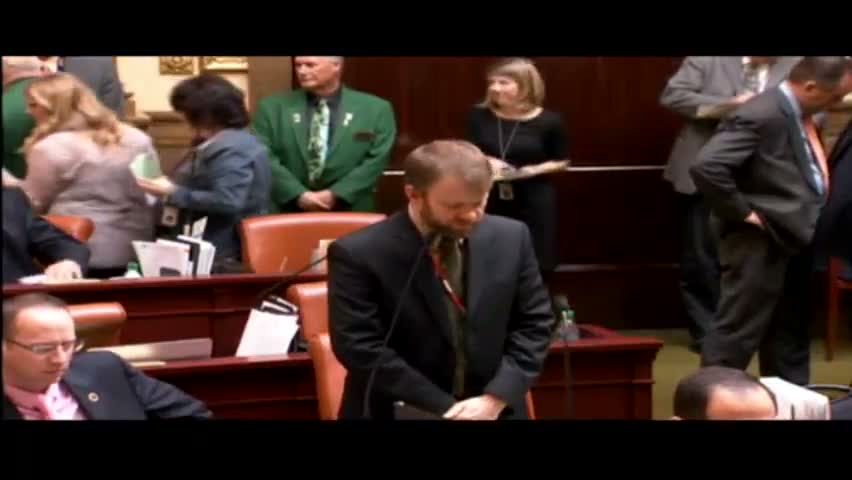
Representative Anderson presented first substitute HB39, saying it would permit the Division of Child and Family Services (DCFS) to place a child in an emergency with a friend designated by the custodial parent or with an adoptive parent of a sibling even if that adult is not a licensed foster parent. Anderson said the change is intended to reduce disruption to children’s lives by allowing placements with people the child already knows and to allow time for prospective caregivers to obtain foster licensure if needed.
"We have cases today where children are being removed from families and there may be a willing person in the neighborhood, a family friend, a coach, somebody who knows that child who can keep that disruption from further traumatizing the child," Representative Anderson said, describing background checks and vetting the bill would require.
Representative Westwood asked whether removing the licensed-foster-parent requirement would weaken vetting. Anderson replied placements would still require "thorough background checks" and that prospective caregivers would be vetted by the department and begin the licensing process if the placement extended beyond a short period.
Representative Miller spoke in support, citing personal experience providing emergency placements and arguing that known caregivers and neighbors can provide consistency and reduce trauma for children.
The sponsor noted the bill received unanimous support in the House Health and Human Services Committee and from the Child Welfare Legislative Oversight Panel. The House voted to pass first substitute HB39 by a 70–1 margin and referred the bill to the Senate for further consideration.
The House record shows the bill’s passage and referral to the Senate, not any subsequent Senate action. Next steps include the Senate committee process and any amendments that may be proposed there.