Get Full Government Meeting Transcripts, Videos, & Alerts Forever!
Get email alerts on the Water Infrastructure topic
No spam. Unsubscribe anytime.
Utah House approves amendment to water funding bill to require planners to consider Great Salt Lake impacts; bill passes House
Summary
The Utah House passed an amendment to third substitute Senate Bill 251 requiring planners to consider potential environmental and economic impacts on resources, including the Great Salt Lake, and later approved the revised bill; proponents said it helps protect the lake while opponents warned it could invite litigation and complicate water-right adjudication.
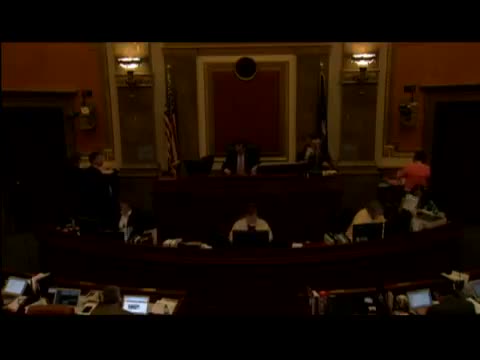
The Utah House on March 9 approved an amendment to third substitute Senate Bill 251, a water infrastructure funding and planning measure, requiring the Division of Water Resources and related boards to consider potential environmental and economic impacts on resources "including the Great Salt Lake" when reviewing qualifying projects. Representative Sam Nelson, who offered the amendment, said the change is aimed at "having the end users in mind" and protecting the Great Salt Lake as the state invests in long-term water projects.
Representative Nelson told colleagues the Great Salt Lake is now roughly half the size it was when early settlers arrived, has dropped "by 11 feet," and that "flows into the lake have been reduced by 39% because of consumptive use along the way," arguing those trends demand planning that accounts for downstream impacts. He also cited the lake's economic importance, saying it produces about $1,300,000,000 in annual economic benefit to the state.
Sponsor Representative Brad Hawkes described the Nelson amendment as a "friendly amendment" that adds an environmental-review component to the Board of Water Resources' existing duties, including independent verification of data, conservation targets, and criteria for loan decisions. Hawkes said the bill also adds additional expertise to the board and authorizes appropriations for independent financial review of proposals.
Opponents raised legal and procedural concerns. Representative Noel questioned whether adding language about potential environmental and economic impacts would step on the state engineer's adjudication of water rights, and Representative (speaker who opposed on those grounds) warned the language could invite litigation similar to processes under the National Environmental Policy Act. Representative Noel said the amendment "could be litigated to no end and slow down the whole process." Nelson and Hawkes both responded that the amendment is not intended to alter adjudication of water rights or create new rights, but rather to help planners assess long-term impacts.
After debate and a call of the previous question, the House recorded the amendment's passage at 40 yes to 35 no. Later in the evening the House passed the third substitute SB 251 as amended by a roll-call tally of 60 yes to 14 no and sent the bill back to the Senate for further consideration.
The amendment and the bill place planning and additional review requirements on the bodies that will evaluate and recommend financing and construction of qualifying water projects. Supporters said those requirements will improve data-driven decisions and help the state set conservation targets; critics said the language risks inviting outside litigation and could complicate long-settled water-right processes. The bill will now return to the Senate for its next procedural steps.