Get Full Government Meeting Transcripts, Videos, & Alerts Forever!
Get email alerts on the Public Health Immunization topic
No spam. Unsubscribe anytime.
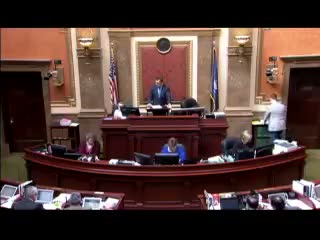
Utah House wrestles with immunization-exemption process; substitute wins narrow passage, bill circled for further review
Summary
Lawmakers debated House Bill 2-21 for hours, clashing over whether parents should be required to meet in person with local health departments before claiming immunization exemptions; an 8th-substitute was adopted 39-35 and sponsors later moved to circle the bill for additional stakeholder input.
House members engaged in a prolonged debate March 3 over House Bill 2-21, a measure that would change the process for parents to request immunization exemptions for schoolchildren, including requirements for education and where exemption forms are filed.
Sponsor Representative Karianne Moss (first presenting at SEG 988) said the bill’s purpose is to protect children and help parents “safely quarantine and protect their children when outbreaks occur.” She described the version before the House as the result of “many many months of work” with school nurses, pediatricians and local health departments and stressed the bill’s education component: “1, signs and symptoms of disease. 2, how to protect a child in an outbreak. And 3, how to reduce the spread of disease.”
Opponents objected to removing a face-to-face requirement with local health personnel. Representative Ward argued the in-person meeting provides a chance to vaccinate a child immediately if parents conclude it is appropriate: “One of the values of that face to face is that face to face takes place in the place where we can get the child the vaccine if that's the conclusion that the parent reaches.” Representative Thurston questioned the need for an in-person visit in an era of digital government, saying he had “not heard a compelling reason why someone should have to go present themselves in person to a government official to get questions answered.”
Representative Anderegg, who led support for a substitute amendment, said the change preserves education while offering greater convenience for families, especially in rural areas, and urged colleagues to back the substitute as “what is best for families.” Representative Chavez-Houck and others warned about potential public-health consequences if the bill weakened safeguards that prompt vaccinations.
The House voted to move the eighth substitute into the bill after a division call; the substitute passed on the roll call 39 to 35. After additional debate and requests from the bill sponsor and stakeholders, Representative Moss moved to circle the bill — a procedural step pausing immediate final action so advocates and local health officials can weigh in — and that motion carried. The House therefore left the measure circled for further consideration later in the session.
The record shows the bill prompted sustained exchanges over three main issues: (1) whether the law should require an in-person visit at a local health department as a safeguard and opportunity to vaccinate, (2) how the state will collect and transmit exemption data from schools to local public-health authorities, and (3) rural access when families live far from county health offices. Lawmakers who supported the substitute emphasized flexibility and digital options; opponents emphasized the demonstrated impact of face-to-face counseling on increasing immunization uptake.
Next steps: the bill was circled for additional stakeholder consultation and will return to the floor for further consideration and potential final action once sponsors and advocates reconcile outstanding concerns.