Utah House narrowly adopts education-and-exemption changes for student immunizations, 38–37
Loading...
Summary
The Utah House passed a ninth substitute to HB 2 21 requiring parents who seek school immunization exemptions to complete an online education module (certificate valid three years), make one initial face‑to‑face visit to the local health department, and allow 21 days at registration to gather records; final vote was 38–37.
The Utah House on March 4 adopted the ninth substitute to House Bill 2 21, a measure that alters how parents secure exemptions from school immunization requirements, passing the measure by a single vote, 38–37.
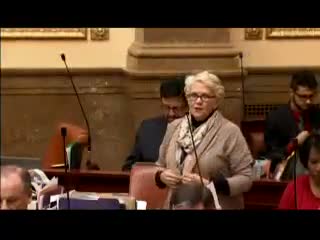
The bill’s sponsor, Representative Moss, framed the measure as a narrow, education‑first change meant to protect vulnerable children. "Parents would complete an online education module and print a certificate valid for three years," Moss said, adding that the bill requires only one face‑to‑face visit to a local health department for an initial exemption and allows parents 21 days from school registration to submit records, obtain immunizations or file an exemption.
Supporters said the measure provides standardized information about disease symptoms and outbreak response and eases administrative burdens for families with several school‑age children by making the certificate valid for multiple years. "This is the bill that I worked on for eight months with many stakeholders," Moss said, noting that local health departments and public‑health professionals contributed to the language.
Opponents characterized the substitute as an added barrier for parental choice. Representative Andraig said the ninth substitute "is, in my opinion, a de facto discouragement of exemptions" and argued it may disproportionately burden rural families who must travel to health departments. Representative Kennedy raised constitutional concerns, arguing the threat of suspension for noncompliance could impede a child’s right to public education and likened additional requirements to a burdensome condition placed between a parent and a child.
Members also debated the scale of the public‑health concern. Moss asserted the changes aim to protect an estimated population of children who are not eligible for vaccination (she cited 50,000 under‑12 children who cannot be vaccinated and an overall at‑risk figure she described as 87,000). Representative Andraig disputed the larger number and said local health departments had given lower estimates (about 30,000) during floor discussion.
The House debate included procedural challenges, several substitute versions and repeated assurances from the sponsor that no medical or personal exemption would be removed by the bill. "This does not remove any medical or personal exemptions," Moss said while describing how the online module avoids discussing vaccine pros and cons and focuses on symptoms, prevention and outbreak response.
After debate and a successful call of the question, the House adopted the ninth substitute and voted final passage, 38 yeas to 37 nays. The bill will be transmitted to the Senate for consideration.
The immediate next steps are routine: the bill will be sent to the Senate for its consideration; any further amendment or concurrence would occur there. The House did not direct staff to prepare an immediate fiscal note on this substitute during floor action.
Ending — The House recessed for lunch and returned to other business later; HB 2 21 proceeds to the Senate with the adopted ninth substitute.