Get Full Government Meeting Transcripts, Videos, & Alerts Forever!
Get email alerts on the Accessible Parking topic
No spam. Unsubscribe anytime.
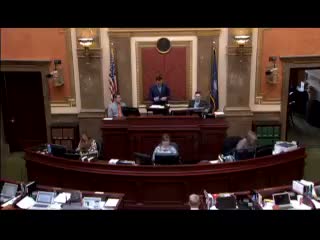
House passes bill to clarify van-accessible parking use and placard rules
Summary
The Utah House passed third substitute HB 374 to clarify use of van-accessible parking and placard placement; sponsors said the change reserves van-accessible spaces for drivers transporting people who require extra space for lifts or mobility devices. The bill passed 72–1 and now moves to the Senate.
Representative Stratton told the House that third substitute HB 374 would refine state law on accessible parking to ensure van-accessible stalls serve those who need extra room for mobility devices. “What this bill does is … reserve the opportunity for those with a special placard to park in that place,” Stratton said, describing changes to signage, placard placement and a delayed effective date.
Members asked technical questions about the bill’s 50 percent threshold for when the restriction applies and flagged confusing double negatives in the draft. Representative Cox asked whether the language could prevent people with limited mobility who do not need a van lift from using a van-accessible stall when other accessible spaces were available; Stratton explained the 50% trigger and said the provision typically won’t apply unless there are at least three accessible stalls and only one is van-accessible.
Representative Bridal raised enforcement concerns about placard misuse and whether the bill prevents people from using a van-accessible stall when the placard-holder is not present; Stratton said the bill requires that a vehicle using a van-accessible-only stall display the placard and carry the person who needs it and their assistive device.
Supporters described the measure as a limited, stakeholder-driven fix. Stratton said the third substitute reflects “interaction with the stakeholders, refinement, and improvement,” and noted unanimous committee support. The House voted 72 yeas and 1 nay; the bill will be transmitted to the Senate for consideration.
The debate focused on statutory clarity and practical enforcement rather than on the policy goal itself. The sponsor and several members said they expect local stakeholders and disability advocates to continue working on implementation details if the Senate advances the measure.