Get Full Government Meeting Transcripts, Videos, & Alerts Forever!
Get email alerts on the Juvenile Protection topic
No spam. Unsubscribe anytime.
Utah House approves narrowed age-gap limits for consensual activity, removes first‑offender registry provision
Summary
The House passed first-substitute HB179 on Feb. 22, 2016, amending age-difference rules for consensual sexual activity involving 14- and 15-year-olds to a four-year limit and removing first-offender registration for offenders under age 21; the bill passed 66–8.
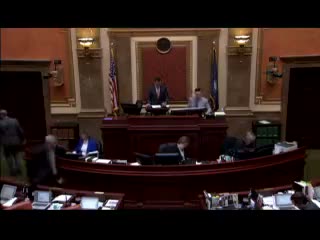
The Utah House on Feb. 22 approved first-substitute House Bill 179, which narrows the allowable age-difference in consensual sexual activity cases involving 14- and 15-year-olds and removes an automatic registry consequence for certain first offenders under 21.
Representative Nelson, the bill sponsor, described the measure as intended to protect 14- and 15-year-olds "from sexual conduct by those who are now more than 4 years older," and said the amendment restored a consistent four-year difference used elsewhere in statute. He also said the committee had already removed registration for a first offense when the offender is under 21.
Supporters argued the change protects younger teens who are vulnerable to predatory behavior; Representative Cutler said reverting to a four-year difference aligns with other statutory sections and protects 14- and 15‑year‑olds in junior high settings. Opponents, including Representative Greene, argued a five-year difference better avoids unintended criminalization of school peers and other unintended consequences when 18‑year‑olds and 14‑year‑olds share school settings.
After floor debate and the adoption of amendments, the House voted to pass the bill as amended by a 66–8 margin. The bill will be transmitted to the Senate for further consideration.