Get Full Government Meeting Transcripts, Videos, & Alerts Forever!
Get email alerts on the Elections topic
No spam. Unsubscribe anytime.
House amends voting law to ‘future-proof’ equipment, adds ranked-choice capability option
Summary
Lawmakers amended and passed HB334 to establish standards and a grant program for voting equipment; an amendment added optional ranked-choice ballot capability as part of a future-proofing effort. The amended bill passed the House 67–0.
The Utah House on Feb. 29 adopted an amendment to first substitute HB 334 and approved the bill to update procedures for selecting and funding voting equipment.
Sponsor Representative Dahl said the bill creates a selection committee composed of county clerks, the lieutenant governor’s office and other stakeholders to establish statewide standards for future purchases and a grant program covering up to 50% of the purchase price for equipment that meets those criteria.
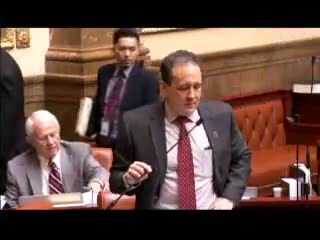
Representative Roberts offered Amendment 1 to expand options for equipment and software, including the ability to support preferential (ranked-choice) ballots in the future. Roberts described the change as a mostly software-oriented, forward-looking adjustment to avoid limiting county options.
“There may be other items in the future that the county clerks are gonna find that are useful,” Representative Eric said during debate, urging caution about micromanaging choices. Supporters said the amendment simply preserves future options and would not impose specific voting-system mandates on counties.
Lawmakers discussed technical distinctions between hardware and software and whether enabling ranked-choice voting would require changes to primary rules; sponsors said the amendment merely preserves the technical possibility and does not itself change election procedures. Municipalities have experimented with ranked-choice systems, supporters noted.
Amendment 1 was adopted and first substitute HB 334, as amended, passed the House 67–0. The bill will be referred to the Senate for further consideration.
Next steps: The bill establishes a process for standards and partial grant funding; separate policy decisions would be required before any change to primary or general-election voting rules.