Get Full Government Meeting Transcripts, Videos, & Alerts Forever!
Get email alerts on the Mental Health topic
No spam. Unsubscribe anytime.
Utah House approves tax credits aimed at bringing psychiatrists to rural areas
Summary
The House passed a package of tax credits intended to recruit and retain psychiatrists and expand telehealth in rural Utah. Supporters tied the measure to suicide prevention; opponents argued the tax code is a poor vehicle for workforce incentives. The bill passed 43–28 and moves to the Senate.
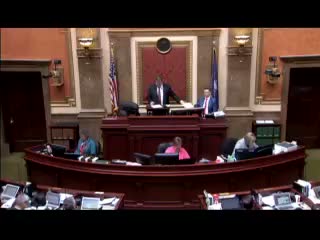
The Utah House on Feb. 29 approved first substitute HB 265, a package of tax credits intended to recruit psychiatrists and expand psychiatric telehealth in rural counties. Representative E. Listen, sponsor of the bill, said the measure is designed to address a statewide shortage of psychiatrists and the state’s rising suicide toll.
“This bill is the most consequential bill that we have that I brought forward on this topic,” Representative E. Listen said, urging colleagues to support incentives that would bring new psychiatrists to Utah, encourage telehealth coverage of class 3–6 rural counties, and enlist retired psychiatrists for volunteer service.
The bill offers three main credits: a recruitment credit for psychiatrists who relocate to Utah, a refundable credit for psychiatrists who provide at least 25 percent of their time via telehealth to designated rural counties, and a credit for retired psychiatrists who volunteer significant hours to underserved groups such as veterans and Native Americans. The sponsor said the tax-credit approach is “post performance,” beginning with the taxable year that starts July 1, 2017, so no up-front appropriation is required.
Lawmakers debating the bill questioned the choice of the tax code as the incentive vehicle and asked about measurement and sunset options. Representative McKay raised concerns about placing profession-specific incentives in the tax code and suggested a sunset so the program can be evaluated. Representative Peterson and others criticized creating special deductions in a broadly based tax system; Representative Fossum and other supporters emphasized the scale of suicide in Utah and the limited supply of psychiatrists.
Representative E. Listen responded that the program’s fiscal note is modest (discussed in committee as roughly $332,000) and noted that, if nobody claims the credit, no state dollars are spent. The sponsor cited national and state workforce data and said telehealth and targeted incentives were shown elsewhere to move the needle on provider shortages.
The House voted 43–28 for first substitute HB 265. The bill will be transmitted to the Senate for further consideration.
Next steps: HB 265 is scheduled for Senate consideration; if enacted, the credits would be claimed on returns beginning in tax year 2017 under the bill’s timeline.