Get Full Government Meeting Transcripts, Videos, & Alerts Forever!
Get email alerts on the Congressional Visit topic
No spam. Unsubscribe anytime.
U.S. Rep. Mia Love praises Utah model, outlines federal priorities in House floor address
Summary
U.S. Rep. Mia Love addressed the Utah House on Feb. 22, 2016, praising the Legislature and outlining federal priorities including criminal justice reform, higher-education transparency bills, protections for Utah banks, and veterans' benefits, then took questions from representatives.
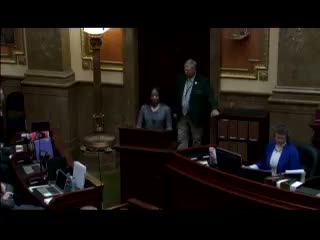
U.S. Rep. Mia Love, R-Utah, addressed the Utah House of Representatives on Feb. 22, telling members she often uses their work as an example and thanking them for short, intense legislative sessions.
Love described federal bills she has supported or introduced that draw on state ideas, including criminal justice reform (which she said had bipartisan backing) and two higher-education measures intended to increase transparency and reduce tuition costs: a "Know Before You Go" disclosure requirement for colleges and a Flexibility to Innovate for College Affordability Act to remove red tape.
"You cram a lot in 45 days," Love said, praising the Legislature's pace and saying she has taken Utah policy ideas to Congress. She added she has sponsored or cosponsored bills to protect small state-chartered banks, to support industrial banks, and to advance pro‑veteran measures for survivors' benefits.
The remarks prompted questions on federal education and budget votes. Representative Moss, a retired educator, asked why Love had voted against changes in the Every Student Succeeds Act; Love said she supported parts of the measure but worried about voting on a "2,000-plus page bill" with limited time to review and cited concerns about Title I funding swaps. Representative Lisonbee pressed concerns about the omnibus appropriations bill and earmarks; Love reiterated work on Article I Project reforms and one-subject appropriations proposals.
The exchange drew on specifics raised by members but produced no formal action. Love closed by taking questions and encouraging continued policy exchange between state and federal officials.