Get Full Government Meeting Transcripts, Videos, & Alerts Forever!
Get email alerts on the Water Policy topic
No spam. Unsubscribe anytime.
House Approves Bill to Speed Up Water‑rights Adjudication, Citing Cost Savings
Summary
Lawmakers passed Senate Bill 75 to modernize Utah’s water‑rights adjudication process, allowing water users to partner with the State Engineer’s office, aiming to reduce the time to complete adjudication from centuries to under 20 years and estimating roughly $500,000 in savings.
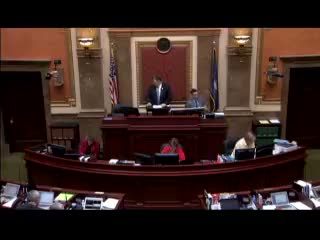
The Utah House on March 2 approved Senate Bill 75, a measure aimed at modernizing the state’s water‑rights adjudication process and giving private water users a more active role in identifying and securing claimed rights.
Representative Sandahl (House sponsor) told members the bill follows a year‑long study by the Executive Water Task Force and has unanimous committee support. ‘‘Water adjudication has been a long process in the state of Utah,’’ Sandahl said, describing a historic workflow that has often left abandoned or unknown claims on the books. Under SB 75, water users would be able to join the State Engineer’s office in reviewing individual water rights, creating a process that sponsors say will provide ‘‘security’’ to claimants and clean up rights that no longer exist.
The bill includes a fiscal note the sponsor described as positive: backers expect savings "somewhere around $500,000" compared with continuing the present process. Sandahl estimated the current method could take roughly 100 years to complete statewide adjudication, while SB 75’s process could reduce that timeline to under 20 years.
Supporters framed the bill as both practical and long overdue; no floor opposition was recorded. The House recorded 66 yea votes and 0 nays. Following the vote, the measure will be signed by the Speaker pro tem and returned to the Senate for the president’s signature.
Implementation questions: sponsors said the State Engineer’s office will have operational responsibility for working with claimants; additional implementation details and timelines will be handled by agency rulemaking and administrative steps after enactment.
Next step: the bill returned to the Senate for final action.