Get Full Government Meeting Transcripts, Videos, & Alerts Forever!
Get email alerts on the Public Pensions topic
No spam. Unsubscribe anytime.
House circles post‑retirement employment bill after hour‑long pension debate
Summary
After extended floor debate about workforce shortages and pension costs, the House voted to "circle" (defer) H.B. 86, a measure to shorten the separation period for reemployed retirees and adjust employer payment obligations. Supporters said it helps rural employers; opponents warned it could increase unfunded liabilities.
The Utah House debated H.B. 86 on Feb. 26, a bill that would change post‑retirement employment rules for public employees. The measure drew prolonged questioning about pension costs, workforce shortages, and fiscal impact. Supporters said shortening the separation period and allowing employers to rehire retirees with employer payment of amortization and contribution rates would help rural jurisdictions and public‑safety employers fill staffing gaps. Opponents warned the change could increase long‑term pension liabilities and reduce wage competitiveness.
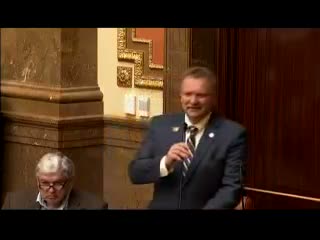
Representative (Speaker 17), who presented the bill, said the working group that drafted the bill studied retirement issues and that the measure would require employers to pay the amortization and contribution rates if they rehired retirees; he said the change was designed to help rural districts and public safety agencies recruit qualified staff. Representative Hawkes spoke in opposition, arguing the move would increase pension obligations and put downward pressure on wages and long‑term fiscal sustainability. Representative Briscoe and others argued the bill helps districts that cannot otherwise fill critical positions.
Members raised technical questions about actuarial assumptions, fiscal notes, whether URS (the Utah Retirement System) would need to change contribution rates, and estimated one actuary's figure that the bill could raise accrued liabilities by roughly $223 million immediately; proponents disputed fiscal‑note assumptions and said the fiscal note showed no immediate increase in employer contribution rates.
After extensive discussion and multiple members on the floor, Representative Gibson moved to circle the bill until after lunch; the motion carried and H.B. 86 was deferred. The House recessed for lunch and said it would resume consideration later.