Get Full Government Meeting Transcripts, Videos, & Alerts Forever!
Get email alerts on the Statute Of Limitations topic
No spam. Unsubscribe anytime.
House approves revival of certain child sexual‑abuse civil claims; bill moves to Senate
Summary
The Utah House voted 58–5 to revive some time‑barred civil claims for child sexual abuse, allowing victims to sue up to 35 years after their 18th birthday or within three years of the law's effective date, limited to perpetrators and active aiders or abettors. Sponsors said the change closes a coverage gap for older survivors.
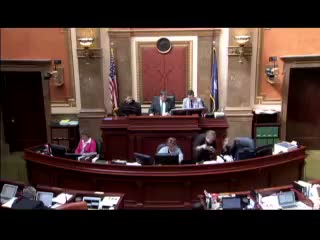
The Utah House on Feb. 26 passed second substitute House Bill 279, a measure to revive certain civil claims for child sexual abuse that had been time barred. The bill, approved 58–5, allows a victim whose claim was previously time barred to bring civil suit within 35 years of their 18th birthday or within three years of the law's effective date, whichever is longer. The change is limited to claims against the perpetrator and those who acted as active aiders and abettors.
Sponsor Representative Mitchell said the proposal aims to close a gap left after 2015 reforms and to reflect research about when survivors are able to come forward. "On average, it takes until age 41 for a victim of child sexual abuse to come forward," Mitchell said on the House floor, arguing the 35‑year window would reach victims who were previously excluded. He said the bill does not change burdens of proof or create new criminal liability, but rather removes a procedural bar so claims can be heard.
The bill includes legislative findings, which the sponsor said were added in consultation with the drafting attorney and the attorney general's office to give courts clear guidance when reviving civil claims. Representative Mitchell said the language was not new to committee but reflects clarifications requested by committee members and the AG's office.
Opponents raised constitutional and procedural concerns. Representative Cox asked whether the retroactive revival could be an ex post facto law forbidden by the U.S. Constitution; the sponsor replied that ex post facto prohibitions apply to criminalizing past conduct and that this measure revives civil claims without creating new criminal liability. Representative Tanner asked whether the bill eliminates equitable defenses such as laches; the sponsor said laches and other defenses would remain available to defendants.
Supporters and survivors who testified in committee described long delays between abuse and reporting and urged the legislature to allow older survivors access to civil remedies. The sponsor said the bill restricts revived claims to direct perpetrators and intentional aiders and abettors, not negligent third parties.
With the House passage, H.B. 279 will be transmitted to the Senate for further consideration. The House record shows the bill passed and will be referred to the Senate for its consideration.