Get Full Government Meeting Transcripts, Videos, & Alerts Forever!
Get email alerts on the Building Codes topic
No spam. Unsubscribe anytime.
House adopts major building-code changes aimed at energy efficiency and air-quality gains
Summary
The House passed sixth substitute HB 316 on Feb. 26, 2016, adopting a revised building code with stepped energy-efficiency increases, new water-heater and lighting requirements, and a revised code-adoption cycle; supporters said it will save energy and reduce pollution, opponents raised process concerns.
The Utah House on Feb. 26 adopted sixth substitute House Bill 316, a comprehensive update to the state's building-code adoption and review process that includes new energy-efficiency "step-up" requirements, limits on NOx emissions for water heaters and higher-efficiency lighting standards.
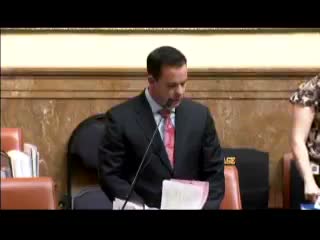
Representative Wilson, sponsor, explained the bill adopts recommendations of the Utah Building Code Commission and incorporates technical changes to construction, fire and energy codes. He said the energy steps will raise efficiency every two years through 2021 and require 75 percent of home lighting to be high-efficiency when the bill takes effect in January 2017. "This creates a step up process every 2 years... homes need to get a little bit more energy efficient and I won't go into the technical nature of this," Wilson said. The sponsor also cited an estimate that ultra-low-NOx water-heater changes would reduce roughly 27 tons a year of pollutants and could eliminate one or two poor-air-quality days in winter.
Opponents urged caution over shortening the code-adoption cycle from three years to two in places and warned about process and industry influence; Representative Cox, an architect, urged retaining the three-year cycle to preserve the deliberative work of code committees and to guard against product-driven changes. Several floor amendments were debated, with Representative Edwards and Representative Roberts offering technical changes that the sponsor accepted.
After amendment votes and debate, the substitute passed on the floor with 40 yes and 22 no votes and will be transmitted to the Senate for consideration.
What happens next: HB 316 moves to the Senate. The bill sets an implementation timeline and asks the code commission to report annually on recommended code changes.