Get Full Government Meeting Transcripts, Videos, & Alerts Forever!
Get email alerts on the Public Health topic
No spam. Unsubscribe anytime.
House approves charitable prescription‑drug recycling bill after safety questions
Summary
The House passed second substitute HB 236 to permit unopened, unused prescription drugs to be redistributed through eligible pharmacies and charitable clinics to medically indigent patients, with pharmacy oversight and exclusions for controlled substances.
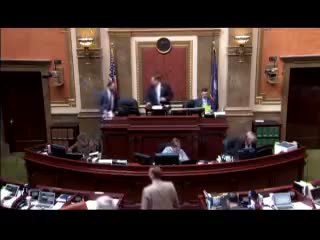
The Utah House on Feb. 19 approved second substitute HB 236, a program authorizing certain unopened, unused prescription drugs to be redistributed to medically indigent individuals through county health departments, charitable clinics and eligible pharmacies.
Representative For, the bill sponsor, said the program limits redistribution to unopened and clearly packaged medications, excludes controlled substances and requires pharmacy oversight at both the donating and receiving sites. He described the measure as a cautious, controlled model supported in other states and cited a Tulsa, Oklahoma pilot that reportedly realized about $1.9 million in net state savings in six months.
During floor discussion Representative Red voiced support and Representative Stratton asked detailed questions about tampering controls and whether pharmacists would have any testing authority. The sponsor said pharmacists would have discretion to refuse redistribution if packaging appeared tampered or opened, and that eligible receiving pharmacies would be county‑run or charitable facilities with pharmaceutical oversight.
The House voted 67–0 to pass the second substitute; the bill will be transmitted to the Senate for further consideration. Sponsors and members emphasized the narrow scope, the prohibition on controlled substances and the program’s reliance on pharmacy controls and county or charitable partners to maintain safety.