Get Full Government Meeting Transcripts, Videos, & Alerts Forever!
Get email alerts on the Election Law topic
No spam. Unsubscribe anytime.
Utah House rejects substitute to let parties set nominating path, debates HB 69 changes
Summary
Lawmakers debated House Bill 69 on party nominating rules, with an unsuccessful substitute motion that would have let qualified political parties determine their nominating path; lawmakers split on preserving SB 54 compromise versus restoring party autonomy.
SALT LAKE CITY — Lawmakers engaged in extended debate Feb. 16–17 over House Bill 69, a ballot and party-rules measure that lawmakers said would clarify delegate and alternate-delegate procedures and address implementation problems stemming from prior legislation and court rulings.
Representative Cox, sponsor of the underlying bill, said HB 69 clarifies how delegates and alternate delegates are designated and resolves a problematic March 1 timing issue for signature-gathering and party procedures. "The purpose of HB 69 is to clarify the original law that was passed a couple years ago to make sure that an individual notifies the party if they can't be there," Cox said on the floor.
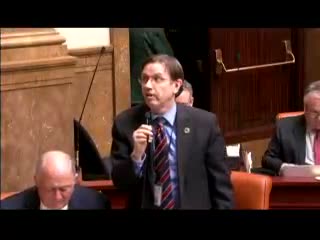
The chamber debated a first substitute motion introduced by Representative Fosin that would have let qualified political parties determine their own nominating path — effectively returning choice over primary versus caucus processes to the parties. Supporters of the substitute argued the original SB 54 compromise has been altered by court intervention and that parties should retain autonomy. Representative Ivory said regulating private party decisions raised constitutional concerns and urged support for the substitute.
Opponents cautioned against changing the rules midcycle and urged adherence to the compromise previously adopted in SB 54. Representative Blifferth argued the compromise had important limits on paid signature gathering and warned that the current process should be allowed to play out.
When the House took the roll call on the substitute motion to substitute, the motion failed 30–42 after a division was called. Debate continued on amendment language and related procedural motions; the sponsor framed HB 69 as a limited fix, noting his goal was to address alternate-delegate confusion rather than repeal SB 54 wholesale.
Next steps
The House returned to the underlying amendment and proceeded through additional procedural steps. The record shows debate, substitute motions and votes on amendments; members urged caution about rushed changes mid-election cycle while others pressed for corrective fixes. The calendar reflected further action and a later vote on the bill as the day progressed.