Get Full Government Meeting Transcripts, Videos, & Alerts Forever!
Get email alerts on the Vehicle Impound Policy topic
No spam. Unsubscribe anytime.
House rejects bill to restore officer discretion on vehicle impounds
Summary
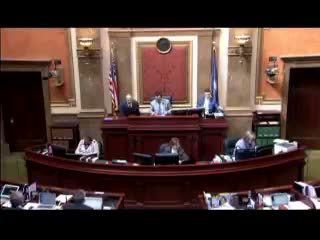
The House debated HB 80, which would have returned "may" discretion to officers deciding whether to impound vehicles when insurance evidence exists; sponsors argued it would prevent wrongful impounds, opponents warned it could reduce public safety. The measure failed 29-40.
Representative Cox, the sponsor, told colleagues HB 80 "puts the may back in our statute," arguing that restoring discretion would let officers avoid impounding vehicles when drivers can show proof of insurance but the record does not appear in the state database. "If somebody has the certificate … the officer can make a decision," Cox said, describing cases where paperwork or electronic proof existed but the database showed no record.
Supporters of the change said the current strict "shall" requirement led to some wrongful impoundments and administrative burdens. Representative Cox said an estimated 13–15 percent of contested impounds involved drivers who did have insurance but whose proof did not appear in the database, producing hardship for families and unnecessary hearings.
Opponents, including Representative Draxler, who was the house sponsor when the law was changed to "shall," urged caution. Draxler said the change to "shall" previously improved safety by ensuring motorists who lacked insurance were removed from the road, and he said the statute already contains exceptions for situations such as a parent driving with children or severe weather. "Changing it to shall has increased safety," Draxler said.
Members asked technical questions about how evidence would be verified in the field, whether an insurance card (paper or electronic) is required, and how database checks interact with on-person proof. Representative Anderegg asked whether officers could rely solely on electronic verification; Cox replied officers must still check the database before impounding when no documentation is presented.
Representative Perry and others warned that the policy signal from lawmakers matters: replacing "shall" with "may" could reduce enforcement and change officers' behavior. "Whatever message you choose to send them as legislators ... that's the action they're going to take," Perry said.
After floor debate and questioning, the House closed voting; HB 80 failed, receiving 29 yes votes and 40 no votes.
What happens next: The bill failed on the floor and will not proceed from this House vote. Members who favored the change indicated they may revisit language to preserve public-safety exemptions while addressing wrongful impoundments.